The Evolution of Voter Outreach Services: A Historical Perspective
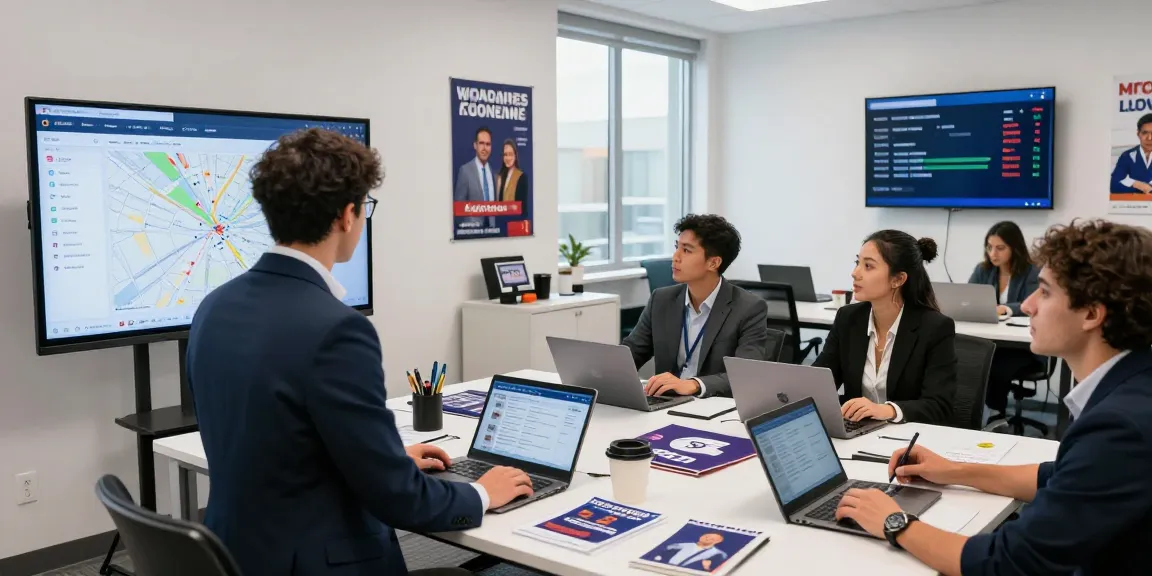
In the ever-changing landscape of political campaigning, understanding the evolution of voter outreach services is essential for any campaign aiming to make a significant impact. Traditionally, voter outreach was primarily focused on direct mailings and in-person canvassing, but as technology advanced, so did the strategies employed by political campaigns. Nowadays, successful voter outreach encompasses a range of tactics including data-driven targeting, digital marketing, and social media engagement. As we look back at how these services have evolved, it's clear that leveraging data is fundamental in modern electoral strategies, allowing campaigns to reach their target audience more effectively than ever before. For those seeking robust solutions, voter outreach services offer a comprehensive approach to connecting with constituents.
How Voter Outreach Services Began
The roots of voter outreach services can be traced back to the early 20th century, a time when campaigns relied heavily on grassroots efforts. The use of door-to-door canvassing became prevalent, with volunteers leveraging their personal networks to engage with local voters. Political parties recognized early on that mobilizing supporters was crucial to victory. As campaigns grew larger and more complex, the need for organized outreach became evident. The advent of telecommunication in the mid-20th century introduced telephone banking as a means to connect with voters, marking the first significant shift towards a more strategic outreach approach.
Milestones in Voter Engagement Strategies
From the 1980s onward, technological advancements revolutionized voter outreach. The introduction of computerized voter databases allowed campaigns to segment their target audiences more effectively. This laid the groundwork for modern data analytics, enabling campaigns to tailor their messaging based on demographic insights. By the early 2000s, email marketing emerged as a powerful tool, facilitating immediate communication and engagement with voters. In recent years, the rise of social media platforms has transformed outreach yet again, allowing campaigns to engage with voters in real-time and foster communities around political issues.
Key Lessons Learned from Past Campaigns
Analysis of previous campaigns has highlighted several key lessons in voter outreach. First, understanding the electorate's demographics and preferences is vital. Campaigns that invest in comprehensive voter data often see a higher rate of engagement. Moreover, authenticity in messaging resonates deeply with voters, making them feel valued and understood. Finally, engaging voters across multiple platforms increases visibility and reinforces a campaign's message, making a multi-channel approach essential for effective outreach.
Current Trends in Voter Outreach Services
As we move towards the 2026 elections, several trends in voter outreach services have emerged, driven largely by advances in technology and changing voter behaviors. Campaigns are increasingly focusing on data-driven strategies, integrating sophisticated analytics to identify potential supporters. This emphasis on data not only enhances targeting but also improves overall campaign efficiency by directing resources where they will have the most impact.
Digital Transformation in Voter Targeting
The digital landscape has irrevocably altered how campaigns target and engage voters. Data analytics tools now allow campaigns to identify key voter demographics with unprecedented precision. By analyzing patterns within existing voter data, campaigns can create hyper-targeted outreach efforts that speak directly to the needs and concerns of specific groups. This shift toward digital transformation enables campaigns to optimize their resources and maximize their outreach effectiveness.
Utilizing Social Media for Effective Engagement
Social media platforms have emerged as essential tools for voter engagement. Campaigns utilize targeted advertising to reach specific demographics, ensuring their messages reach the right audience. Additionally, social media allows for two-way communication, creating opportunities for voters to interact with campaigns, ask questions, and even provide feedback. This level of engagement fosters a sense of community and loyalty among supporters, significantly improving outreach outcomes.
Importance of Data Analytics in Modern Campaigns
Data analytics have become the backbone of modern political campaigns. With access to detailed voter profiles, campaigns can tailor their outreach strategies with a level of granularity that was previously unimaginable. By employing predictive analytics, campaigns can anticipate voter behavior, allowing them to allocate resources in the most effective ways possible. This reliance on data not only enhances engagement but also drives campaign strategies based on real-time feedback and evolving voter sentiments.
Best Practices for Implementing Voter Outreach Services
For campaigns looking to succeed in today's competitive environment, understanding and implementing best practices in voter outreach is crucial. This involves knowing how to segment your audience effectively, crafting compelling messages, and employing a diverse range of outreach strategies.
Understanding Your Audience: Segmentation Techniques
Segmentation is the process of dividing a voter base into sub-groups based on various criteria, such as demographics, psychographics, and voting history. Effective segmentation allows campaigns to deliver personalized messages that resonate with each audience segment. Campaigns that utilize data to understand their audience are more likely to engage voters on a deeper level, addressing their specific concerns and interests.
Creating Compelling Campaign Messages
Crafting a compelling message is at the heart of any successful outreach effort. A well-articulated message should clearly communicate the campaign's vision, values, and specific policy proposals. It should also evoke an emotional response, helping voters connect with the candidate on a personal level. Utilizing storytelling techniques can further enhance the impact of campaign messages, making them memorable and relatable.
Integrating Multi-Channel Strategies
In an increasingly fragmented media landscape, employing a multi-channel approach is essential. Campaigns should leverage various outreach avenues—such as email, social media, traditional media, and in-person events—to ensure comprehensive voter engagement. Each channel has its unique strengths, and a coordinated effort across multiple platforms can amplify a campaign's reach and effectiveness.
Challenges in Voter Outreach and How to Overcome Them
While the landscape of voter outreach offers numerous opportunities, it is not without its challenges. Campaigns must navigate common misconceptions about voter targeting, address data privacy concerns, and deal with the effects of political polarization.
Common Misconceptions in Voter Targeting
A prevalent misconception is that more data always translates to better targeting. In reality, quality is more important than quantity. Campaigns must focus on gathering accurate and relevant data to make informed decisions. Additionally, there is a tendency to over-segment audiences, which can complicate messaging and dilute a campaign's overall impact.
Dealing with Data Privacy Concerns
As data-driven strategies become more widespread, concerns regarding data privacy continue to mount. Campaigns must prioritize transparency and compliance to build trust with voters. Clear communication about how data is collected and used can alleviate privacy concerns while fostering a positive relationship between campaigns and constituents.
Navigating Political Polarization
In today's highly polarized environment, campaigns face the challenge of engaging voters across the political spectrum. Focusing on common values and issues that resonate with a broad audience can help bridge ideological divides. Campaigns should strive to maintain a respectful tone and encourage open dialogue, making it possible to reach voters who may have differing viewpoints.
Future Predictions for Voter Outreach Services in 2026 and Beyond
Looking ahead to 2026, several trends are poised to shape the future of voter outreach services. As technology continues to evolve, campaigns will need to adapt their strategies to stay relevant and effective in engaging voters.
Emerging Technologies Shaping Voter Engagement
Emerging technologies, particularly in artificial intelligence and machine learning, are expected to further transform voter engagement. These technologies will enhance data analysis capabilities, allowing campaigns to identify trends and predict voter behavior with even greater accuracy. As new tools become available, campaigns that embrace technological advancements will likely gain a competitive edge.
The Role of AI in Voter Data Analysis
Artificial intelligence is set to play a pivotal role in voter outreach by improving data analysis processes. AI-powered tools can provide insights into voter preferences and behaviors, allowing campaigns to optimize their strategies in real-time. This level of automation not only enhances efficiency but also enables campaigns to focus on crafting impactful messages rather than being bogged down by data management tasks.
Trends to Watch in Upcoming Elections
As we approach future elections, several important trends are likely to emerge. Expect to see an increased emphasis on grassroots movements, as voters seek authenticity and connection with candidates. Additionally, campaigns will likely capitalize on the rise of video content, utilizing platforms like TikTok and YouTube to engage younger voters. Finally, greater collaboration among organizations advocating for voter rights may influence outreach strategies, ensuring that campaigns are able to engage a diverse electorate.
What are the most effective voter outreach strategies?
Effective voter outreach strategies focus on data-driven targeting, personalized messaging, and multi-channel engagement. Campaigns that prioritize these elements are more likely to connect with voters and drive participation.
How can data improve voter engagement?
Data improves voter engagement by enabling campaigns to understand their audience better, tailor messages, and allocate resources effectively. Insights drawn from data allow campaigns to connect with voters in meaningful ways.
What challenges do campaigns face in voter targeting?
Campaigns often face challenges such as data privacy concerns, misconceptions about targeting, and navigating political polarization. Addressing these challenges is crucial for successful outreach.
How has digital outreach changed political campaigning?
Digital outreach has transformed political campaigning by allowing for more targeted messaging, real-time engagement, and efficient resource allocation. It has opened new avenues for outreach, significantly enhancing campaign effectiveness.
What should campaigns focus on for future outreach efforts?
Future outreach efforts should focus on leveraging emerging technologies, fostering authentic connections with voters, and employing multi-channel strategies to maximize engagement across diverse platforms.