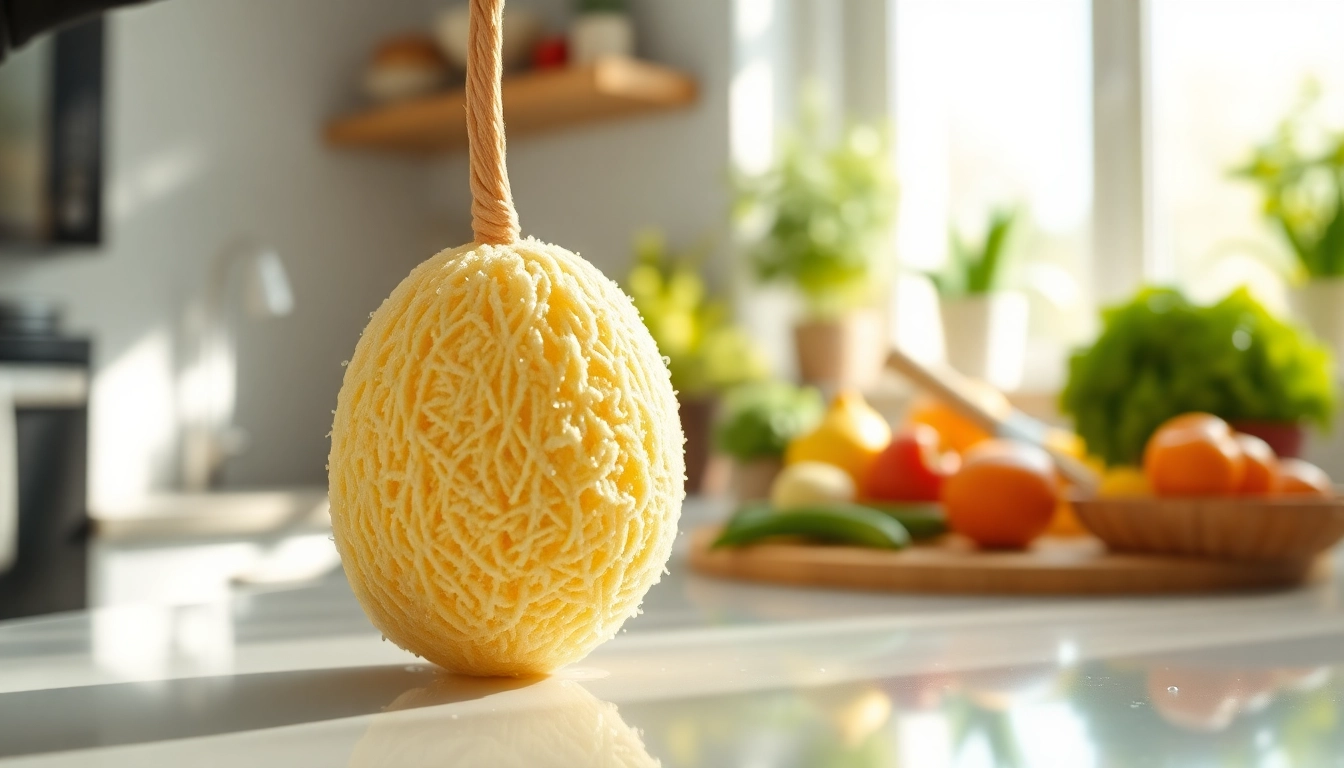
What are Kitchen Loofah Benefits?
Kitchen loofahs, known for their versatility and eco-friendliness, offer numerous benefits that go beyond mere cleaning. While many people might overlook these natural sponges, understanding their advantages can transform kitchen hygiene practices and overall health. In this article, we will explore the myriad kitchen loofah benefits that enhance both your cleaning routine and skin health. Let's delve deeper into what makes kitchen loofahs an essential item in every household.
Understanding the Natural Composition
Loofahs are derived from the fibrous skeletons of the loofah gourd, also known as luffa. A member of the cucumber family, this plant undergoes a transformation from a soft fruit to a resilient sponge as it matures and dries. The natural composition of loofahs is primarily cellulose, which is biodegradable and free from harmful chemicals found in synthetic sponges. Their fibrous structure not only gives them excellent scrubbing capabilities but also allows for superior water absorption, making them highly effective for various cleaning tasks.
Eco-Friendly Cleaning Solutions
One of the most significant kitchen loofah benefits is their eco-friendliness. Unlike synthetic sponges that can take hundreds of years to decompose, loofahs are fully biodegradable, making them a sustainable choice for environmentally conscious consumers. When used as a dish scrubber or for cleaning surfaces, loofahs can break down naturally without contributing to landfill waste. Their effectiveness in cleaning is also noteworthy; they tackle grease and grime without the need for harsh chemicals, promoting a more natural and health-conscious cleaning approach.
Skin Health and Scrubbing
Not only are kitchen loofahs excellent for cleaning dishes and countertops, but they also promote skin health when used in bathing routines. The exfoliating properties of loofahs help in removing dead skin cells, which can lead to improved circulation and healthier skin. Regular use can result in smoother skin and the prevention of ingrown hairs, making them a great asset in personal grooming. Additionally, they are gentle enough to use on sensitive areas, making them a versatile tool for maintaining skin health.
How to Use a Kitchen Loofah Effectively
Best Practices for Cleaning Dishes
To maximize the benefits of kitchen loofahs for dishwashing, follow these best practices: Start by soaking the loofah in warm, soapy water to soften it, which makes it easier to scrub away stubborn food residues. Use the ridged surface to your advantage by scrubbing pots and pans gently, ensuring that you do not damage non-stick coatings. Rinse the loofah thoroughly after each use to prevent residue buildup and prolong its lifespan. Remember, a well-cared-for loofah can effectively clean dishes without scratching surfaces.
Maintaining Hygiene in Your Kitchen
Maintaining a clean and hygienic kitchen with your loofah is essential. Rinse it thoroughly after each use and allow it to dry in a well-ventilated area. To further ensure hygiene, you can occasionally soak the loofah in a mixture of vinegar and water or hydrogen peroxide, which helps eliminate bacteria and odors. It’s also important to use separate loofahs for dishes and potentially for body scrubbing to avoid cross-contamination.
Long-lasting Care and Storage
To ensure your kitchen loofah lasts, proper storage and care are vital. Store it in a dry area away from moisture to avoid mold growth. A drying rack or a hanging hook can be ideal for allowing air circulation. Additionally, regularly inspect your loofah for signs of wear and tear, such as fraying or discoloration, and replace it as needed to maintain optimal cleaning performance.
Comparing with Other Cleaning Tools
Advantages Over Synthetic Scrubbers
When comparing kitchen loofahs to synthetic scrubbers, several key advantages surface. Firstly, the natural composition of loofahs means they don’t harbor harmful chemicals, unlike many synthetic sponges. They also tend to outperform synthetic options in terms of scrubbing efficacy, especially when it comes to stubborn residues on pots and pans. Moreover, loofahs are compostable, unlike their synthetic counterparts, highlighting their environmental benefits.
Cost-Effectiveness of Kitchen Loofahs
From a financial standpoint, kitchen loofahs are a cost-effective choice. A standard loofah can last several weeks to months with proper care, exceeding the lifespan of conventional sponges. Beyond just durability, the ability to use a loofah for both cleaning dishes and personal grooming adds additional value, as you only need to purchase one item for multiple uses. Over time, this can lead to significant savings.
Environmental Impact Considerations
The environmental impact of kitchen loofahs is markedly lower than synthetic cleaning products. As biodegradable options, they contribute positively to waste reduction. Their production also tends to require fewer resources and energy than the manufacturing process for synthetic sponges. By choosing loofahs, consumers can play an active role in minimizing their carbon footprint and promoting sustainability in their households.
Common Myths About Kitchen Loofah Benefits
Debunking Misconceptions
Despite their many benefits, kitchen loofahs are often surrounded by myths. A common misconception is that they harbor bacteria, which is a concern with all cleaning tools. However, with proper care and regular cleaning, loofahs can remain sanitary. Another myth is that they are not effective for cleaning tough grime, whereas, in reality, their fibrous texture makes them ideal for such tasks when used correctly.
Scientific Studies on Efficacy
Scientific research supports the effectiveness of natural cleaning tools including loofahs. Studies have shown that while any cleaning tool can harbor bacteria if not maintained, loofahs cleaned regularly can significantly minimize bacteria levels compared to synthetic sponges. This affirms their hygiene credentials when cared for properly, emphasizing their role in a clean kitchen environment.
Customer Testimonials and Feedback
Many users have attested to the benefits of integrating loofahs into their cleaning routines. Customers praise the softness and effectiveness of loofahs in scrubbing dishes without scratching delicate surfaces. Feedback often highlights their durability and pleasant natural scent, which further enhances their appeal. The broad consensus among experienced users is that kitchen loofahs provide unparalleled value compared to synthetic alternatives.
Frequently Asked Questions About Kitchen Loofah Benefits
Can kitchen loofahs harbor bacteria?
Yes, like any cleaning tool, kitchen loofahs can harbor bacteria if not cleaned properly. Regular rinsing and drying help minimize bacteria buildup.
How often should I replace my kitchen loofah?
It’s recommended to replace your kitchen loofah every 4-6 weeks, or sooner if you notice signs of wear or odor.
Are kitchen loofahs safe for all types of dishes?
Kitchen loofahs are generally safe for most dishware, but caution is advised on delicate surfaces. Test a small area if unsure.
Can kitchen loofahs be reused for cleaning vegetables?
Yes, loofahs can be reused for cleaning vegetables; however, it's best to have separate loofahs for dishes and food to avoid cross-contamination.
What’s the best way to clean a kitchen loofah?
A good method is to soak it in diluted vinegar or hydrogen peroxide for 10-15 minutes, then rinse thoroughly before air-drying.