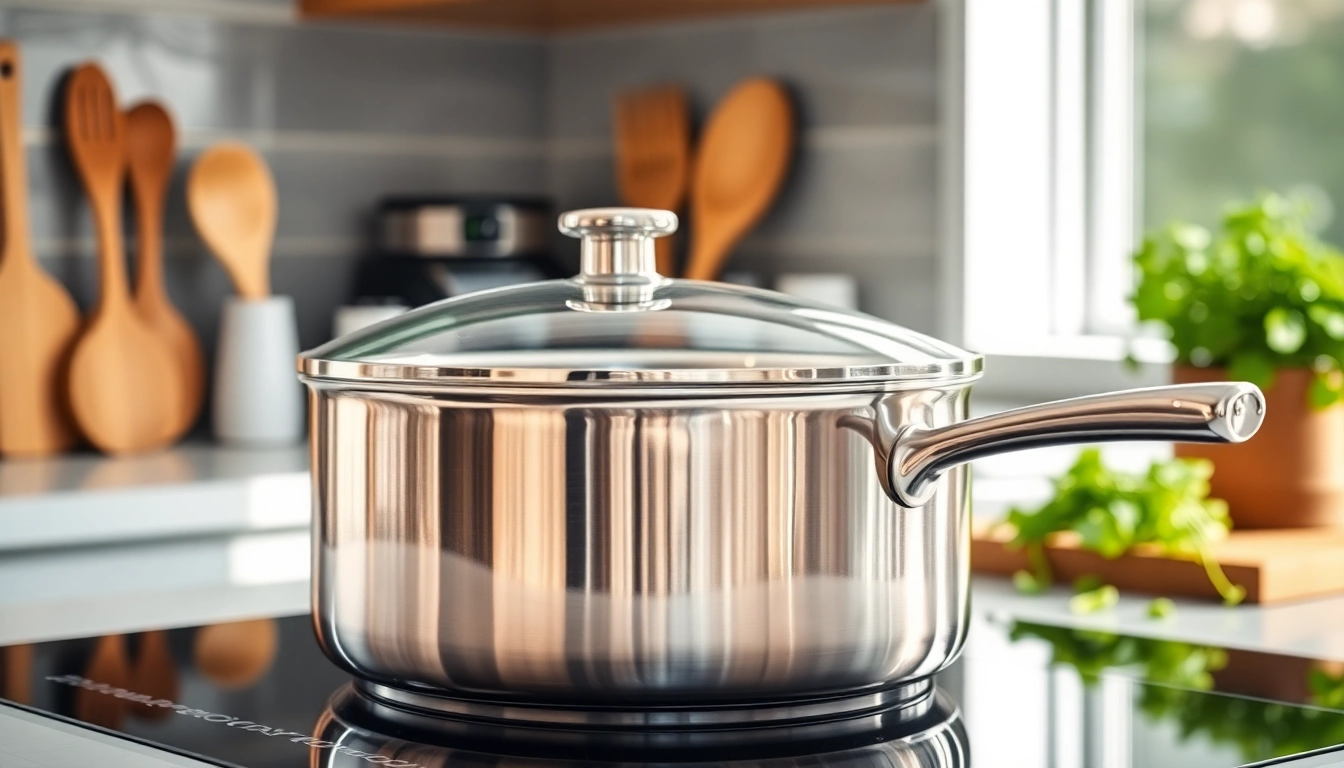
Understanding Induction Cooking
What is Induction Cooking?
Induction cooking is a modern cooking technology that utilizes electromagnetic energy to heat cookware directly. Unlike traditional gas or electric methods that generate heat externally, induction cooks through magnetic fields, allowing for precise temperature control and rapid heating. This technology is becoming increasingly popular for home cooks and professional chefs alike due to its efficiency and safety features.
How Does Induction Cooking Work?
Induction cooktops feature a coil beneath the surface that generates a magnetic field. When induction-compatible cookware, typically made of ferrous materials, is placed on the surface, the magnetic field induces electrical currents in the bottom of the pot or pan. These currents generate heat, cooking food evenly while leaving the cooktop surface relatively cool. This process not only reduces cooking time but also minimizes energy waste.
Benefits of Induction Cooking
Induction cooking offers several advantages over traditional cooking methods:
- Energy Efficiency: Induction cooktops heat pans quickly, resulting in less energy usage compared to conventional heating methods.
- Precision Cooking: Induction allows for rapid temperature adjustments, providing control that is beneficial for delicate dishes.
- Safety: The cooktop remains cool to the touch, reducing the risk of burns. Additionally, induction cooking stops immediately when cookware is removed.
- Easy to Clean: As the cooktop surface does not get hot, spills typically remain on the surface and can be wiped away easily.
Key Features of Cookware for Induction
Magnetic Base Requirements
For cookware to work on an induction cooktop, it must have a magnetic base. This typically means that the cookware must be made from ferrous materials such as cast iron or certain stainless steels. Non-ferrous materials such as aluminum, copper, and glass are not compatible unless they have a magnetic layer added to their base.
Material Considerations
The material from which cookware is made significantly influences its performance on induction cooktops. Suitable materials include:
- Stainless Steel: Durable and offers good heat distribution if it includes a magnetizable core.
- Cast Iron: Excellent heat retention and distribution, making it ideal for slow cooking, though it can be heavy.
- Carbon Steel: Similar in properties to cast iron but lighter and provides versatility for various cooking techniques.
Design and Durability
Cookware designed for induction cooking is often more robust and better constructed. Look for options with reinforced handles and non-warping bases to ensure longevity. Cookware should also be able to withstand high temperatures without warping, ensuring it maintains a good contact surface for effective heat transfer.
Top Cookware Choices for Induction
Non-Stick Options
Non-stick cookware is a popular choice for many chefs and home cooks because it makes cooking and cleaning easier. When looking for non-stick options for induction cooking, ensure that the coating is free from harmful chemicals and that it adheres to the guidelines for induction compatibility. Brands featuring specially designed magnetized bases combined with non-stick finishes can offer excellent performance.
Stainless Steel Recommendations
Stainless steel cookware is revered for its durability, resistance to rust, and aesthetic elegance. Look for high-quality stainless steel pots and pans with a thick, encapsulated base that ensures even heating. The cookware should also have a heavy core to provide optimal heat distribution while cooking.
Enamelled Cast Iron Cookware
Enamelled cast iron cookware is favored not just for its performance but also for its design versatility. It can be used for a range of cooking tasks from browning and braising to baking. Ensure that the cookware is labeled as induction-compatible, as the enamel finish can affect magnetic properties. This type of cookware is generally heavier but offers excellent heat retention and even cooking results.
Care and Maintenance of Induction Cookware
Cleaning Tips
To preserve the integrity and appearance of your induction cookware:
- Use soft sponges and non-abrasive cleaners to avoid scratching.
- After cooking, allow the cookware to cool before handwashing to prevent warping.
- Avoid harsh chemicals that can degrade non-stick surfaces.
Avoiding Damage
Preventing damage is essential for maintaining cookware longevity. Here are common precautions to take:
- Avoid dragging pots and pans across the cooktop, as it may scratch the surface.
- Do not use cooking spray excessively on non-stick surfaces, as it can create build-up and affect performance.
- Ensure cookware bases are clean to prevent residue and grime buildup on the cooking surface.
Long-Term Care for Longevity
Caring for your induction cookware will result in better performance over its lifespan. Store cookware properly to prevent nesting, which can lead to scratches. Regularly check for signs of wear, particularly in non-stick finishes, and replace any damaged items to ensure safety and cooking effectiveness.
FAQs about Induction Cookware
Can any cookware be used on induction?
No, only cookware with a magnetic base is compatible with induction cooktops. Check for induction markings on the packaging or use a magnet test.
What should I avoid when choosing induction cookware?
Avoid cookware made of aluminum, copper, or glass unless they have a magnetic base. Non-stick coatings should also be checked for chemical safety.
Is induction cookware expensive?
Induction cookware can range in price from budget-friendly to high-end options. Investing in quality cookware often results in better performance and longevity.
How do I know if my cookware is induction compatible?
Look for an induction symbol on the cookware or use a magnet; if it sticks, it's compatible. Testing with a magnet is the easiest method.
Can I use induction cookware on gas or electric stoves?
Yes, induction cookware can be used on both gas and electric stoves, as long as the base is flat for optimal heat transfer.
For those exploring the options for best cookware for induction NZ, understanding these key aspects will ensure a well-informed purchase that enhances both cooking experiences and culinary outcomes.