Understanding Wedding Photography
What is Wedding Photography?
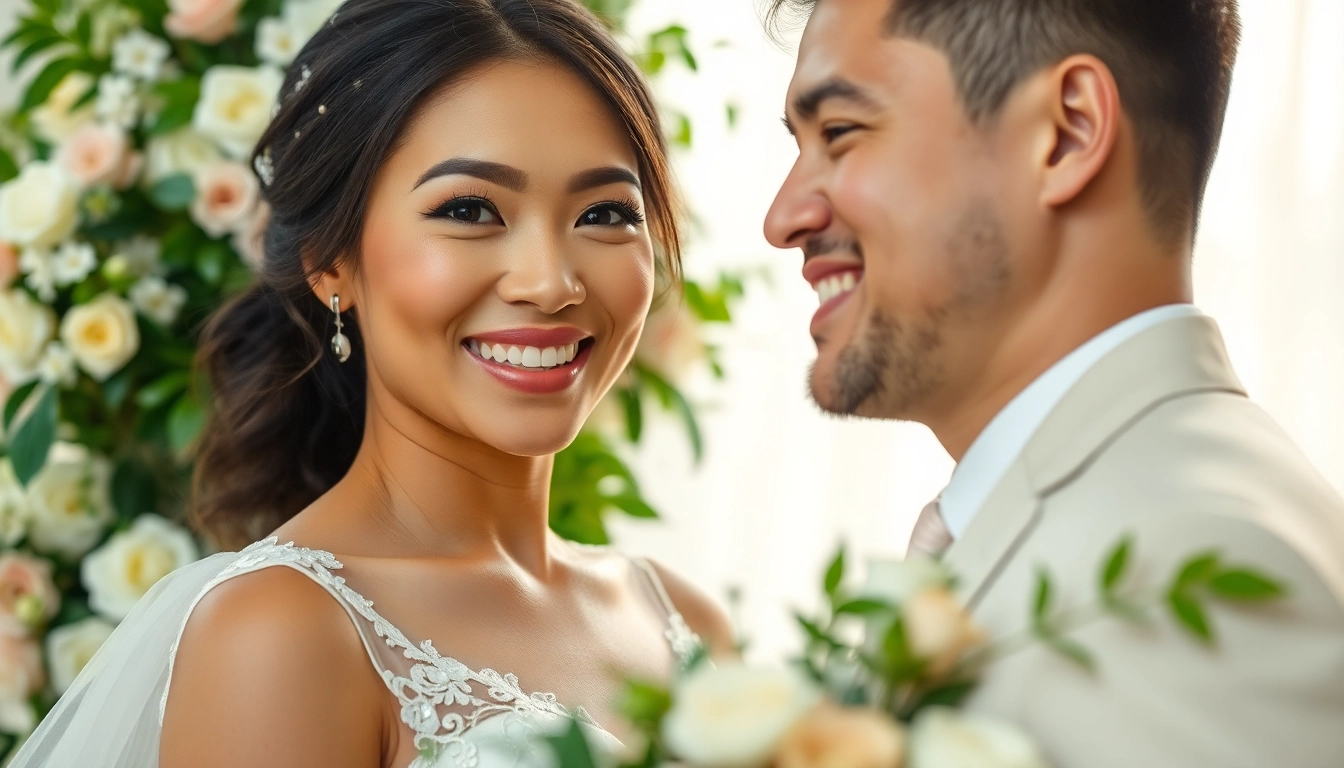
Wedding photography is a specialized field of photography that focuses on capturing the events, emotions, and moments experienced during a wedding ceremony and reception. This art form encompasses various styles and techniques aimed at preserving the memories of a couple’s big day. From the intimate moments shared by the couple to the exuberance of family and friends, wedding photography serves as a visual narrative that tells the story of love and commitment.
The Importance of Wedding Photography
The significance of wedding photography cannot be overstated. On one hand, it is a means of documentation that allows couples to relive their special day through high-quality images. On the other hand, wedding photos serve as cherished relics that couples pass down through generations. Investing in Wedding photography is not just about taking pictures; it's about capturing unique moments that resonate emotionally. Well-crafted images can evoke memories of joy, love, and celebration long after the event has passed.
Choosing a Wedding Photography Style
Wedding photography is diverse, encompassing various styles that cater to different tastes and preferences. Here are some popular styles to consider:
- Traditional: Focuses on posed shots and family portraits, often capturing key moments from the ceremony.
- Documentary: Aims to tell a story without direct involvement, capturing spontaneous and candid moments as they unfold.
- Fine Art: Emphasizes artistic expression, often incorporating creative angles and lighting to produce breathtaking images.
- Portraiture: Centers around capturing the couple and significant guests in posed or natural settings.
- Destination: This style is characterized by unique locations and integrates scenic backdrops into wedding photography.
The choice of style should reflect the personalities of the couple and the overall theme of the wedding.
Selecting Your Wedding Photographer
Researching and Reviewing Portfolios
Finding the right wedding photographer begins with diligent research. Couples should look for portfolios that resonate with them and their vision for the wedding. Factors to consider include:
- Quality of Work: Assess the technical skills, including composition, lighting, and editing quality.
- Consistency: Look for a consistent style throughout various weddings the photographer has covered.
- Connection: A good rapport helps in ensuring natural expressions and comfort in front of the camera.
It's advisable to schedule initial consultations to discuss your wedding expectations, allowing you to gauge the photographer’s enthusiasm and alignment with your vision.
Questions to Ask Potential Photographers
During the selection process, asking the right questions can help you gain critical insights into the photographers' approach. Some important questions include:
- What is your photography style, and how do you adapt to different moments during a wedding?
- How many weddings have you photographed, and can you provide references?
- What packages do you offer, and what is included in each?
- Can we see a full gallery from a recent wedding you covered?
- How do you handle unforeseen situations such as bad weather or equipment failure?
These questions will help clarify your expectations and find someone who matches your needs.
Assessing Packages and Pricing
Wedding photography packages often vary widely in terms of pricing and services offered. When evaluating these packages, consider the following:
- Coverage Duration: Understand the hours of coverage included in the package and whether overtime is available.
- Deliverables: Clarify what products you'll receive, such as digital images, prints, or albums.
- Online Galleries: Determine if an online gallery for sharing photos is included, which can be essential for guests.
While it may be tempting to choose the cheapest option, consider the overall quality and value provided, as wedding photography is an investment in timeless memories.
Preparing for Your Wedding Photos
Creating a Shot List
Compiling a shot list can guide the photographer and ensure all important moments are captured. It should include:
- Key family group shots
- Important details, such as rings and decorations
- Special moments, like the first look or toasts
- Candids of guests enjoying the celebration
Sharing this list with your photographer allows for adjustments and ensures nothing significant is overlooked on the big day.
Understanding Timelines
A well-structured timeline is crucial for smooth event flow. Factors to consider when creating a timeline include:
- The duration of the ceremony and reception
- Travel time between venues
- Pre-wedding rituals and preparation
Collaborate with your photographer to create a timeline that allows enough time for capturing all desired moments without feeling rushed.
Engagement Photos: A Pre-Wedding Investment
Engagement sessions allow couples to get comfortable in front of the camera and establish rapport with the photographer. Benefits include:
- Practice for being photographed, ensuring couples are more relaxed on the wedding day.
- Unique images that can be used for invitations, announcements, or personal keepsakes.
- An opportunity to explore different locations and styles that you may wish to replicate on the wedding day.
Engagement photos can enhance the overall photography experience, yielding more candid and joyful images during the wedding.
During the Wedding Day
Key Moments to Capture
Throughout the wedding day, several moments hold particular emotional value. Key moments to ensure are captured include:
- The couple's first look
- The walk down the aisle
- Ceremony vows and ring exchanges
- The first kiss and other candid interactions
- Reception highlights, including speeches, dances, and cake cutting
These moments encapsulate the spirit of the event and foster lasting memories.
Coordinating with Your Photographer
Clear communication is vital for a successful photographic experience. Consider these points when working with your photographer:
- Discuss the shot list to ensure everyone's on the same page.
- Brief your photographer about any surprises or significant events planned during the day.
- Designate a point person to assist the photographer in gathering family and guests for group shots.
Ensuring seamless coordination contributes to a smoother photography process, freeing you to enjoy your celebration.
Embracing the Unexpected
Wedding days often come with surprises, from weather changes to unforeseen events. It's essential to stay adaptable and embrace these moments. Some strategies include:
- Maintain a flexible attitude, understanding that not everything will go as planned.
- Trust your photographer to capture candid moments that arise from these unexpected occurrences.
- Focus on the love and joy of the day rather than minor setbacks.
Creating a joyous atmosphere during the day leads to authentic emotions captured in photographs.
After the Wedding: The Photo Experience
Editing and Final Delivery
After the wedding, photographers typically spend significant time editing the images to enhance their quality. Look for the following in the post-production process:
- Attention to detail in color correction and retouching
- A careful selection of images that tell the story of the day
- The promised turnaround time for receiving final photos
Understanding the editing process helps set realistic expectations regarding delivery timelines and final outcomes.
Creating Albums and Prints
Creating a wedding album is an excellent way to preserve memories. Consider these aspects when planning your album:
- Discuss layout options that highlight key moments from the day.
- Choose high-quality print options to ensure lasting memories.
- Incorporate personal stories or captions that accompany specific images.
Albums serve as tactile reminders, allowing you to relive the joy of your wedding day for years to come.
Sharing Your Photos Online
Once you receive your photos, sharing them online can be a delightful experience. Here are some tips for sharing:
- Create a private gallery for friends and family to view and download their favorite shots.
- Share select images on social media to celebrate your day with a broader audience.
- Consider tagging important guests in shared posts to enhance engagement.
Online sharing allows your cherished memories to reach the hearts of those who were part of your celebration.
Frequently Asked Questions
What should I look for in a wedding photographer's portfolio?
Look for quality, consistency, and style that resonate with your vision. Examine past work to see if their photography aligns with what you desire for your wedding.
How much should I budget for wedding photography?
Photography prices vary widely, generally ranging from a few hundred to several thousand dollars. Consider your needs and the photographer's experience when budgeting.
When should I book my wedding photographer?
It's advisable to book your photographer as soon as you have a wedding date and venue, ideally 6-12 months in advance, to secure your preferred choice.
Can I request a second photographer?
Yes, many photographers offer a second shooter option. It allows for more coverage and varied perspectives, which can be beneficial for larger weddings.
How long after the wedding will I receive my photos?
Delivery times can vary, but most photographers typically provide the final edited images within 4-12 weeks after the wedding. Confirm specific timelines with your photographer.