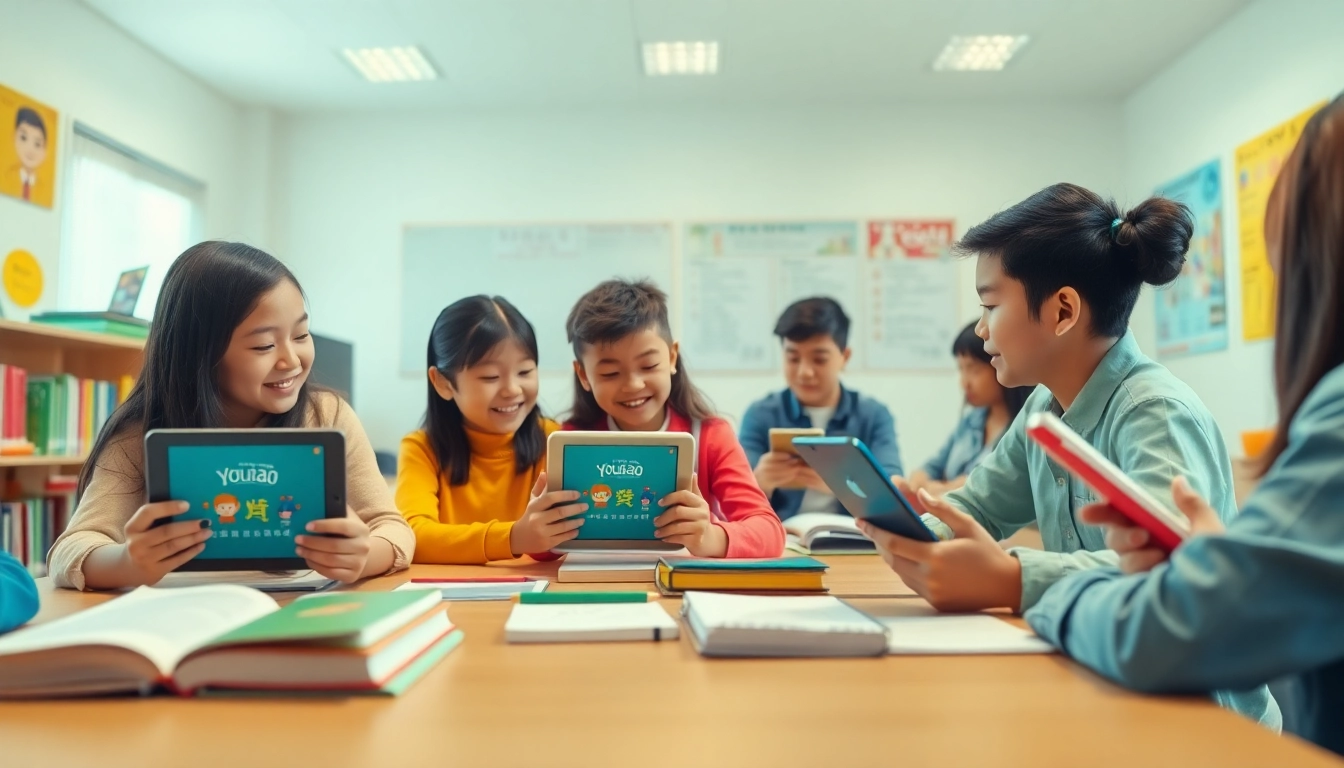
Understanding Education Equity
In an increasingly interconnected world, the importance of education equity cannot be overstated. It serves as the foundation for fostering a society where opportunities are accessible to all, regardless of their socio-economic background. Understanding education equity involves recognizing the disparities that exist within educational systems and advocating for reforms that ensure every student receives a fair chance to succeed. This journey is not just about equal access; it’s about equitable outcomes.
Defining Education Equity and Its Importance
Education equity refers to the principle that every student should have access to high-quality education opportunities, tailored to their unique needs and circumstances. This encompasses a commitment to address systemic barriers that disadvantaged groups face, including racial minorities, low-income students, and those with disabilities. Promoting education equity is crucial for several reasons:
- Social Justice: Ensuring that education is a right rather than a privilege helps to create a more just society.
- Economic Growth: By empowering all individuals through education, we enhance the overall productivity and innovative capacity of a nation.
- Cohesion and Stability: Education can bridge divides in society, reducing tensions and fostering a sense of community.
Key Statistics on Educational Inequality
Numerous studies highlight the alarming statistics surrounding educational inequality. For example, students from low-income households are significantly less likely to attend preschool than their wealthier peers. According to research conducted by the National Center for Education Statistics (NCES), children from low-income families are more likely to drop out of high school, with dropout rates of up to 30% compared to less than 10% for affluent students. Furthermore, disparities persist in access to advanced placement courses and college preparatory programs, which are crucial for academic success.
Common Misconceptions About Education Equity
Despite a growing awareness of education equity, several misconceptions persist. One prevalent myth is that equal funding leads to equal educational opportunities. In reality, the quality of education often varies significantly even with similar funding levels due to differences in resource allocation and school management. Another misconception is that education equity implies lowering standards. In fact, it involves raising the standards to ensure all students have the support they need to meet high expectations.
Innovative Approaches to Education Reform
The quest for education equity has spurred innovation across the educational landscape. Innovative approaches are essential to reforming outdated systems that perpetuate inequality and to creating a learning environment that can cater to diverse learners.
Integrating Technology for Inclusive Learning
Technology plays a crucial role in promoting inclusive learning environments. Online learning platforms, educational software, and digital resources provide access to education for students who may not have traditional classroom opportunities. Programs such as Khan Academy and Google Classroom offer personalized learning experiences, allowing students to progress at their own pace. This flexibility is particularly beneficial for students with learning disabilities or those who require additional support.
Case Studies of Successful Education Reforms
Examining successful case studies can provide valuable insights into effective education reform strategies. For instance, the Harlem Children’s Zone in New York City is a comprehensive initiative that tackles educational inequities by providing a network of support services for children and families. This model integrates education, health, and community services, dramatically improving outcomes for students in the area.
Best Practices for Implementing Change
To drive effective reforms, several best practices should be considered:
- Stakeholder Engagement: Involving teachers, parents, and community leaders in the planning and implementation processes ensures that reforms meet the actual needs of students.
- Data-Driven Decision Making: Utilizing data to inform policies and practices helps identify at-risk students and measure the effectiveness of interventions.
- Continuous Professional Development: Investing in ongoing training for educators ensures they are equipped with the latest pedagogical strategies and tools.
Challenges in Achieving Education Equality
Despite the progress made in advocating for education equity, several persistent challenges remain that hinder the achievement of true equality in education.
Identifying Barriers to Access
Barriers to access can be both systemic and cultural. Systemically, underfunded schools in low-income areas face challenges like overcrowded classrooms and insufficient learning materials. Culturally, biases and stereotypes can alienate marginalized groups, making them less likely to engage with educational opportunities.
Overcoming Resistance to Change in Education
Resistance to change can be a significant barrier in educational reform. Many educators and policymakers may cling to traditional methods due to fear of the unknown or skepticism about new approaches. Implementing change management strategies, such as providing clear communication and demonstrating successful outcomes, can help mitigate this resistance.
Addressing Funding Inequities in Schools
Funding inequities remain a critical issue in education. Schools in affluent areas often have access to significantly more resources than those in low-income areas. Addressing these disparities requires a reevaluation of funding formulas and advocating for increased state and federal support for under-resourced schools.
The Role of Community in Education
Strong community involvement is vital for fostering an environment conducive to educational success. Building community partnerships can enhance the support systems available to both students and educators.
Engaging Stakeholders in the Reform Process
Engaging multiple stakeholders—educators, administrators, parents, and community members—in the reform process ensures that diverse perspectives are considered. Collaborative efforts can lead to more holistic and effective solutions. For example, community forums can provide a platform for discussing challenges and generating ideas for improvement.
Building Support Networks for Educators and Students
Creating robust support networks can help teachers share best practices and tackle common challenges. Mentorship programs and collaborative teaching models can foster a culture of continuous improvement within educational institutions.
Fostering Parental Involvement in Education
Parental involvement is linked to better educational outcomes for children. Schools should prioritize strategies to engage parents, such as workshops and regular communication about student progress. Empowering parents to take an active role in their child's education can create a supportive home environment that encourages learning.
Future Trends in Education for 2026 and Beyond
As we look toward the future, several trends are likely to shape the landscape of education in 2026 and beyond. Staying ahead of these trends is essential for educators and policymakers striving to promote equity and innovation in the classroom.
Predicted Changes in Educational Policy
Educational policies are expected to evolve, emphasizing personalized learning and greater accountability for educators in promoting equity. Initiatives that aim to integrate social-emotional learning into curricula will also gain traction as the importance of mental health in education becomes increasingly recognized.
Emerging Technologies Shaping Learning Experiences
Technological advancements will continue to transform learning experiences. Artificial intelligence, virtual reality, and blockchain technology have the potential to create more personalized and secure educational environments. For instance, AI can provide real-time feedback to students, while VR can offer immersive learning experiences that engage students in new ways.
Long-term Impacts of Current Innovations on Education
The innovations currently being implemented will likely have long-lasting impacts on educational equity. As schools continue to adopt technology and innovative teaching methods, we may see a decrease in the achievement gap, provided that these technologies are equitably accessible to all students. Ensuring that all students benefit from these advancements will be critical in shaping a fairer educational landscape.