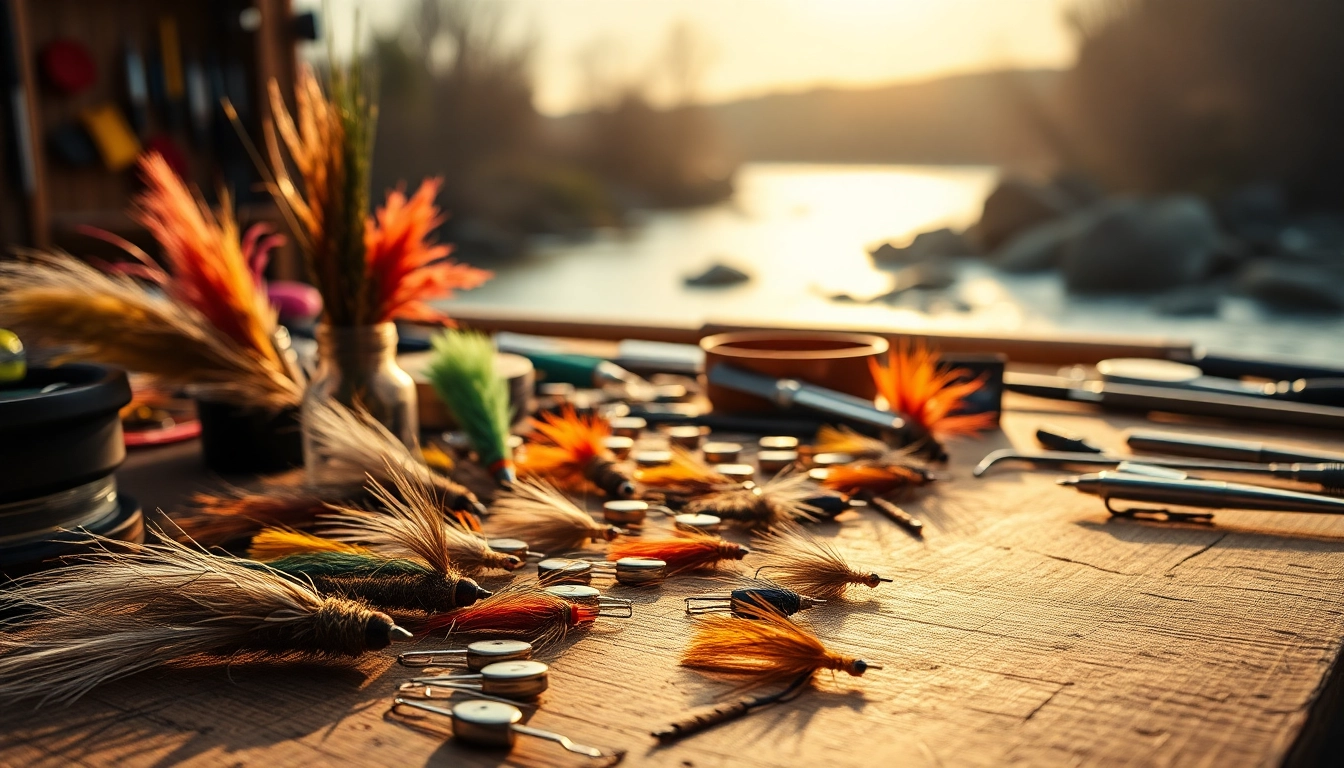
Understanding Fly Tying
Fly tying is both an art and a science that enables anglers to craft their own bait, mimicking the movement and appearance of fish prey. By mastering fly tying, you not only enhance your fishing experience but also develop a deeper appreciation for nature and its intricacies. This comprehensive guide will delve into the history, significance, foundational concepts, and techniques that define the world of fly tying.
History of Fly Tying
The origins of fly tying can be traced back centuries, with evidence suggesting its practice as early as the Roman era. Traditionally, fly tying started with basic materials found in nature, such as feathers and fur. Early angling literature, including writings from English author Izaak Walton, showcases the burgeoning interest in creating artificial flies. Over time, advancements in materials—ranging from natural to synthetic—have propelled fly tying into a sophisticated craft, with innovative techniques continuously evolving. Understanding this history offers insight into how modern fly tying emerged and emphasizes the tradition that many anglers wish to uphold today.
Importance in Fishing
Fly tying plays a critical role in fishing success. By allowing anglers to produce customized flies tailored to specific environments and fish species, fly tying enhances both the effectiveness and enjoyment of fishing. Handmade flies can respond to seasonal changes and fish behavior, which is often key to becoming a successful angler. Moreover, crafting your own flies fosters a more immersive connection with both the sport and the aquatic ecosystems being fished.
Basic Concepts of Fly Tying
Grasping the essential concepts of fly tying is crucial for any beginner. Familiarity with different types of flies—such as dry flies, nymphs, and streamers—sets the foundation for selecting appropriate patterns based on water conditions and target species. Understanding the anatomy of a fly, including the hook, body, wings, and materials, provides essential knowledge for constructing viable patterns. Additionally, learning about buoyancy, color theory, and movement can further refine your approach to fly selection and creation.
Essential Tools for Fly Tying
Equipping yourself with the right tools simplifies the process of fly tying, enhances efficiency, and increases the overall quality of your flies. Let’s delve into the must-have tools, a materials overview, and tips for organizing your workspace.
Must-Have Tools
To start your fly tying journey, several indispensable tools are required:
- Vise: This helps hold the hook securely while you work on it.
- Bobbin: A device that holds and dispenses the thread used for tying.
- Scissors: Sharp, precision scissors are essential for cutting thread and materials.
- Hackle Pliers: Useful for securing feathers in place while wrapping them around the hook.
- Dubbing Needle: Helps manipulate dubbing and position materials precisely.
- Whip Finisher: A simple tool used to tie the final knot securely.
Materials Overview
Choosing the right materials is vital for successful fly tying. Common materials include:
- Thread: Typically made from nylon, it should be strong yet fine enough to avoid unnecessary bulk.
- Feathers: Various bird feathers—like hackle or marabou—add unique textures and colors to flies.
- Dubbing: This is a general term for various fibers used to create the body of the fly, offering different colors and textures.
- Hair: Fur, such as deer, can be used for bodies and wings.
- Hooks: Select hooks based on the flies you wish to tie and the species you are targeting.
Setting Up Your Workspace
An organized workspace enhances your fly tying experience. Choose a bright, comfortable area with a sturdy table. Keep essential tools and materials within arm's reach, and utilize storage containers or trays to categorize various materials. Good lighting is crucial; consider a magnifying lamp if detailed work is needed. An organized workspace not only boosts productivity but also fuels creativity.
Basic Fly Tying Techniques
Now that you've equipped yourself with the necessary tools and materials, it’s time to delve into the actual fly tying techniques. These foundational techniques will set you on the path to mastering fly tying.
Step-by-Step Guide
The process of tying a basic dry fly often follows these steps:
- Select the Hook: Choose an appropriate hook size based on the target fish.
- Secure the Hook: Place the hook in the vise, making sure it’s stable and accessible.
- Attach the Thread: Start by laying down a thread base from the eye to the bend of the hook.
- Add the Tail: Cut a few strands of materials (like feathers) and tie them in to form the tail.
- Form the Body: Use dubbing to build an attractive body shape, wrapping it smoothly around the hook.
- Add the Wings: Attach feathers or other materials to form wings as desired.
- Finish with the Head: Create a neat head using additional thread wraps and finish with a whip finish knot.
Common Mistakes to Avoid
As with any skill, beginners in fly tying are prone to common errors. Here are mistakes you should be vigilant about:
- Overbinding: Excessive thread wraps can bulk up the fly excessively.
- Imbalanced Proportions: Ensure that your materials are evenly distributed to maintain an attractive appearance.
- Neglecting the Finish: A sloppy head can lead to unravelling; always secure it properly.
- Ignoring Cleanliness: Keep your workspace clear; distractions may lead to mistakes.
Transforming Ideas into Reality
Once familiar with the basics, the next step involves experimenting with different materials and patterns. Start sketching out ideas for your flies. Try combining various materials or colors to create unique and attractive patterns. Regular practice enhances your ability to bring conceptualizations into reality.
Advanced Fly Tying Strategies
For those ready to take their fly tying to the next level, exploring advanced techniques broadens your repertoire and effectiveness in the water. Below are some of the strategies that experienced tier can adopt.
Innovative Patterns and Designs
Creating innovative patterns can set you apart as a fly tier. Advanced tiers often study the local insect life to replicate specific patterns that may attract fish more effectively. Researching various species and understanding what triggers their feeding responses enhances your chances at success.
Using Synthetic Materials
Synthetic materials have revolutionized fly tying. They offer consistency in color and texture while often providing buoyancy advantages over traditional materials. Applications for synthetics include crafting bodies, wings, and even tails, all while maintaining a lightweight and durable fly.
Enhancing Fishing Success
Ultimately, the goal of advanced fly tying strategies is to enhance fishing outcomes. Experimentation with varied patterns, colors, and sizes allows you to adjust quickly based on current fishing conditions. Understanding weather, water temperature, and fish behavior can guide your unconventional, yet effective, fly designs.
FAQs About Fly Tying
What materials do I need to start fly tying?
Essential materials include thread, hooks, feathers, dubbing, and basic tools like scissors and a vise. Starting with these basics allows you to create a variety of flies.
How long does it take to learn fly tying?
Learning fly tying can take several weeks of practice to achieve proficiency, but mastering intricate techniques might take longer. Consistent practice is key.
Can I fly tie without prior experience?
Absolutely! While prior experience can help, beginners can learn fly tying through tutorials, classes, or guidance from experienced tiers.
What are the benefits of making my flies?
Making your own flies allows for customization, cost savings, and a sense of accomplishment. It also deepens your understanding of fish behavior and aquatic life.
Are there community resources for fly tying?
Yes, many local fly fishing clubs, online forums, and social media groups offer support, workshops, and resources for learning fly tying and sharing ideas.