
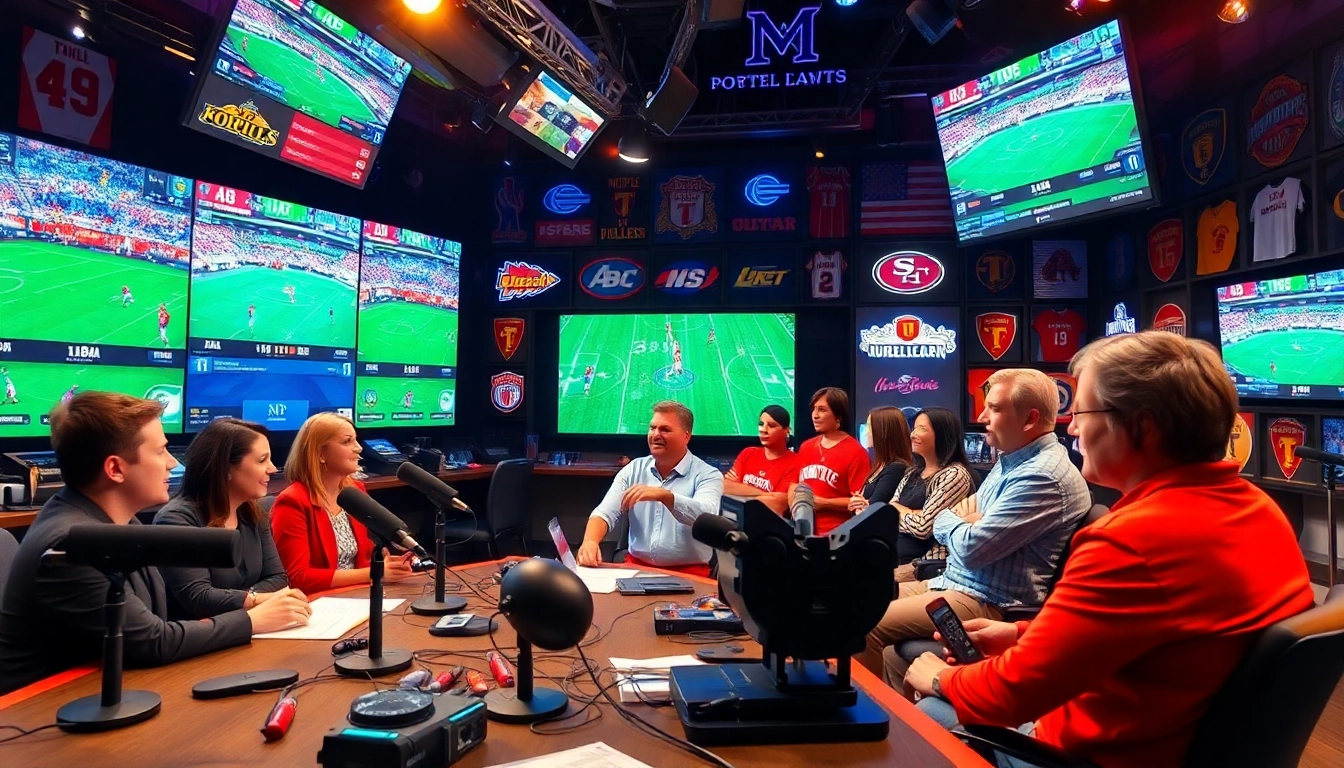
Understanding the Landscape of Sports Broadcasting
In an era defined by rapid technological advancements, the domain of Sports Broadcasting has transformed dramatically. This evolution is marked by innovative strategies, emerging platforms, and an audience mindset that adapts continuously. To navigate this landscape successfully, one must delve into its historical context, current dynamics, and anticipated trends.
The Evolution of Sports Broadcasting
Sports broadcasting dates back to the early 20th century when radio became a popular medium. As technologies evolved, television revolutionized the industry, bringing live sports events into households and making sports an integral part of entertainment culture. The advent of cable TV expanded the range of available sports, allowing niche sports to find their audience. The internet and streaming platforms have shifted the paradigm once again, allowing fans to consume sports content on-demand, leading to the rise of mobile platforms and social media as powerful broadcasting tools.
Key Players and Platforms in Sports Broadcasting
Today’s sports broadcasting landscape features numerous players, including traditional networks, streaming platforms, and social media channels. Broadcasters like ESPN and NBC Sports have dominated for decades, while the rise of platforms like Amazon Prime Video and DAZN reflects an increasingly competitive market. These platforms not only provide live broadcasts but also offer comprehensive content such as analysis, highlights, and documentaries, keeping fans engaged beyond the game itself.
Current Trends Impacting Sports Broadcasting
The broadcasting industry is witnessing several trends, including personalization, interactivity, and enhanced viewing experiences through augmented and virtual reality technologies. Moreover, audience demographics are shifting; younger fans prefer content that is easily accessible and aligns with their lifestyle, including highlights on social media and interactive streaming experiences. As a result, broadcasters are increasingly investing in technology and innovative strategies to meet the changing demands of their audience.
Core Techniques for Successful Broadcasting
Essential Equipment for Sports Broadcasting
Successful sports broadcasting hinges on the right equipment. Essential tools include high-definition cameras, microphones, and advanced transmission systems. Coverage often demands multiple camera angles to capture every moment, while microphones ensure clarity of commentary and on-field sounds. Additionally, broadcast trucks equipped with satellite technology enable live coverage from various locations, making it possible to broadcast events in real-time.
Effective Communication in Sports Broadcasting
Effective communication is at the heart of sports broadcasting. Announcers and commentators must convey the excitement of the game while providing insightful analysis. Clarity in speech, a commanding presence, and the ability to engage with the audience are crucial traits. Moreover, a good broadcaster should also know how to avoid jargon, ensuring fans of all backgrounds can follow and appreciate the narrative of the game.
Audience Engagement Strategies in Sports Broadcasting
Engagement strategies are vital for retaining viewership and building a loyal fanbase. These can include interactive polls during a game, opportunities for fan-driven content, and utilizing social media channels for real-time interaction. Tailoring content to specific audiences, whether through regional broadcasts or coverage of niche sports, enhances relatability and viewer investment in the content.
Content Creation in Sports Broadcasting
Planning and Producing Live Sports Events
Effective planning is essential for live sports events. This includes logistics planning, scheduling, and coordinating with teams and venues. Producers must create a detailed rundown to ensure smooth transitions between segments, including commentary, interviews, and on-the-field interactions. Moreover, having contingency plans for technical issues ensures that the broadcast can continue seamlessly.
Post-Production Best Practices for Sports Broadcasting
Post-production plays a significant role in sports broadcasting, especially for highlights and analysis shows. Editing ensures that content is engaging and polished, allowing for better storytelling. Graphics and replays enhance viewer understanding and retention, while expert analysis can provide depth beyond the live experience. Effective post-production can turn a good sporting event into a memorable experience for fans.
Leveraging Social Media for Sports Broadcasting
Social media has become a pivotal tool in sports broadcasting, facilitating real-time engagement with audiences. Platforms like Twitter, Instagram, and TikTok are used to share behind-the-scenes content, highlight reels, and instant reactions to key moments. By engaging fans on these platforms, broadcasters can drive viewership to live events and create a community around their content.
Challenges in the Sports Broadcasting Industry
Overcoming Technological Barriers in Sports Broadcasting
Despite the advancements in technology, challenges remain in sports broadcasting, particularly regarding infrastructure and access. In some regions, the necessary technology to support high-definition broadcasts or streaming may not be available. Broadcasters must work on developing partnerships with tech companies to overcome these barriers and ensure high-quality broadcasts reach all audiences.
Addressing Regulatory Issues in Sports Broadcasting
Regulatory issues can pose significant challenges, affecting licensing, rights negotiations, and content restrictions. Navigating these laws requires a deep understanding of market dynamics and the legal landscape. Broadcasters must stay updated on changes in regulations regarding broadcasting rights and ensure compliance to avoid potential legal complications.
Combatting Competition in Sports Broadcasting
As the competition in the sports broadcasting industry intensifies, organizations must focus on differentiating their content and services. This may involve investing in exclusive rights to specific events, producing unique content that enhances viewer experience, or utilizing advanced technologies to offer something different from competitors. The focus must remain on continually delivering value to the audience.
Future Outlook for Sports Broadcasting
The Role of Technology in Sports Broadcasting
Looking ahead, technology will undoubtedly play a central role in shaping the future of sports broadcasting. Innovations such as artificial intelligence, machine learning, and advanced data analysis will streamline production processes and offer personalized content. Enhancements in streaming technology will lead to improved quality and accessibility, making sports more universally available to viewers worldwide.
Emerging Formats and Formats in Sports Broadcasting
Emerging formats, such as short-form content and immersive viewing experiences, are on the rise. Virtual reality (VR) and augmented reality (AR) technologies will provide fans with unparalleled access and engagement opportunities. These formats can transform how fans experience sporting events, providing interactive elements that were previously unimaginable.
Predicting Consumer Behavior in Sports Broadcasting
Understanding consumer behavior is critical for broadcasters. Data analytics can help organizations anticipate changing preferences, offering insights into viewing habits, content consumption, and engagement levels. By adopting a data-driven approach, broadcasters can ensure they remain relevant and continue to meet the needs of their audience.
Frequently Asked Questions
What are the main platforms for sports broadcasting?
Traditional TV networks, streaming services like Amazon Prime Video, and social media platforms play key roles in sports broadcasting.
How has technology changed sports broadcasting?
Technology has improved viewing quality, introduced on-demand content, and enabled interactive and immersive experiences for viewers.
What are the challenges faced in sports broadcasting?
Sports broadcasting faces technological barriers, regulatory challenges, and competition from other networks and platforms.
How can social media be leveraged in sports broadcasting?
Social media can engage fans directly, share real-time updates, highlights, and create community interactions around content.
What does the future of sports broadcasting look like?
The future is likely to involve greater use of technology, emerging formats like VR, and a deeper understanding of consumer behavior.