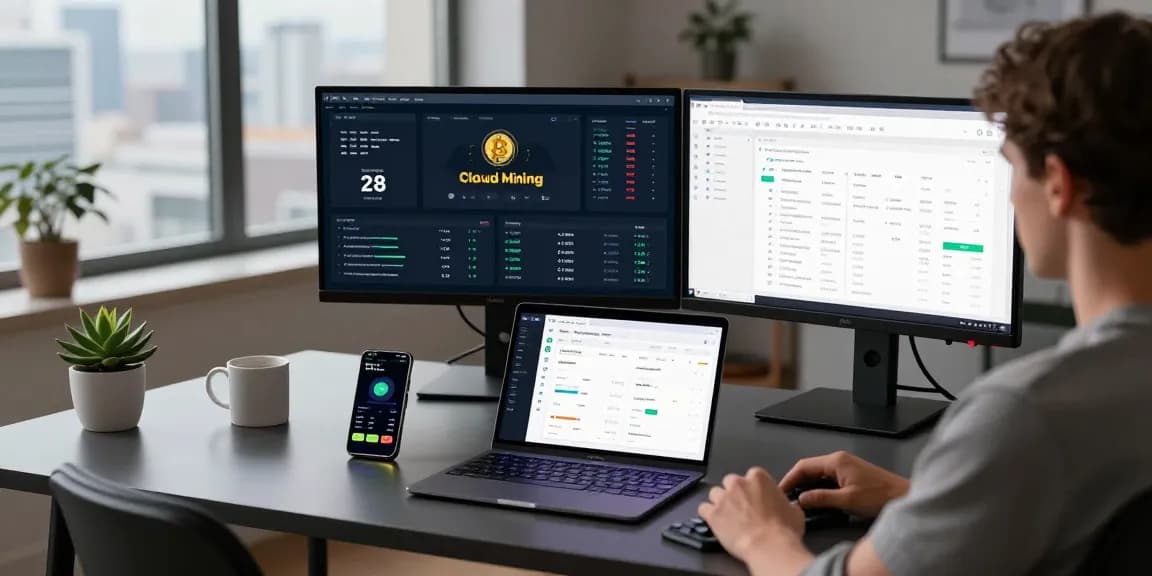
Understanding Japan Stock Backtesting API
The Japan Stock Backtesting API provides developers and traders with invaluable tools for analyzing historical stock market data in Japan. By integrating this API into their systems, users can simulate trading strategies using real-time and past market data, which is crucial for optimizing investment decisions. The API enables traders to replicate their strategies in a risk-free environment before deploying them in live trading. This not only helps in validating strategies but also significantly enhances the decision-making process. For those interested in exploring options, the Japan stock backtesting API offers comprehensive insights that can drive trading success.
What is a Stock Backtesting API?
A Stock Backtesting API is a specialized application interface that allows developers and traders to test their trading strategies against historical market data. By providing access to past stock prices, trading volumes, and market events, these APIs enable users to apply various algorithms and assess the effectiveness of their trading strategies. This process is essential in quantitative finance, where success often hinges on the ability to backtest theories using historical data. Users can analyze how a particular trading strategy would have performed based on historical market conditions, helping to fine-tune approaches before risking capital in the real market.
How Japan's Market Data Influences Trading Strategies
Japan's financial markets are unique, characterized by a combination of traditional trading practices and modern technological advancements. The Tokyo Stock Exchange (TSE) is one of the largest stock exchanges globally, and it offers a wealth of data that influences trading strategies significantly. Factors such as economic indicators, corporate earnings reports, and geopolitical events play a crucial role in shaping market movements. An effective backtesting API must incorporate these elements, allowing traders to make informed decisions based on comprehensive analyses of how past events influenced market behavior. By leveraging historical Japanese market data, traders can develop strategies tailored to local investment dynamics and trends.
Key Features of Reliable Backtesting APIs
When selecting a backtesting API, several key features should be considered to ensure reliability and effectiveness:
- Comprehensive Data Access: The API should provide access to a wide range of historical data, including price information, dividends, and stock splits, ensuring a thorough analysis.
- Real-Time Data Integration: The ability to access real-time data is crucial for comparing backtested strategies against current market conditions and making timely trading decisions.
- Flexible Query Options: Users should be able to customize their data queries to meet specific analytical needs, allowing for targeted testing.
- Performance Metrics: The API should offer various performance metrics, such as Sharpe ratios, drawdown analysis, and win-loss ratios, to evaluate strategy effectiveness accurately.
- Ease of Use: A user-friendly interface and comprehensive documentation are vital for developers to integrate the API seamlessly into their applications.
Common Challenges with Japan Stock Backtesting API
Data Accuracy Issues and Their Impact on Backtesting
Data accuracy is one of the foremost challenges faced when using any backtesting API. Inaccurate data can lead to misguided analyses, ultimately resulting in poor trading decisions. In Japan, where market conditions can fluctuate dramatically due to factors like natural disasters or political changes, having precise historical data is critical. Ensuring that the backtesting API sources data from reliable exchanges and includes any necessary adjustments for events such as stock splits or dividends is essential for maintaining accuracy during backtesting.
Legal and Compliance Considerations for API Usage
Engaging with financial data APIs entails navigating a landscape of legal and compliance requirements. In Japan, regulations surrounding the use of financial data can be stringent, especially with respect to data privacy and intellectual property rights. Users must ensure that they are compliant with local laws regarding data usage, redistribution, and disclosure. Engaging with reputable providers who prioritize compliance can mitigate legal risks associated with using backtesting APIs.
Connecting to Multiple Data Sources: Best Practices
For traders looking to enhance their analysis, connecting to multiple data sources is often necessary. This can provide a more holistic view of market trends and performance. Best practices for achieving this include:
- Standardization of Data Formats: Ensure that the data from various sources can be harmonized into a single format for more straightforward analysis.
- Real-Time Synchronization: Utilize solutions that allow for real-time data synchronization across multiple sources to maintain accuracy and relevance.
- Utilizing Middleware: Implement middleware solutions that can aggregate and process data from various APIs efficiently.
Best Practices for Using the Japan Stock Backtesting API
Strategies for Effective API Integration in Trading Platforms
Integrating a backtesting API into a trading platform requires thoughtful planning. Strategies to ensure a smooth integration include:
- Clear API Documentation: Utilize APIs that offer extensive documentation to aid in the integration process.
- Testing in Sandbox Environments: Begin testing in a sandbox environment to identify issues before going live.
- Version Control: Keep track of API versions and updates to avoid compatibility issues.
Testing and Validating Your Backtesting Models
Once strategies have been developed using the Japan Stock Backtesting API, rigorous testing and validation are imperative. This process involves:
- Out-of-Sample Testing: Validate models with data not used during the training phase to ensure robustness.
- Stress Testing: Simulate extreme market conditions to assess how the strategy holds up under pressure.
- Performance Benchmarking: Compare the strategy’s performance against relevant benchmarks to evaluate effectiveness.
Optimizing API Calls for Performance and Reliability
To maintain high performance and reliability in trading systems, optimizing API calls is crucial. Strategies for optimization include:
- Batch Requests: Combine multiple requests into a single API call to reduce latency and improve efficiency.
- Caching Frequently Used Data: Implement caching mechanisms for data that is frequently accessed to minimize redundant API calls.
- Error Handling Protocols: Develop robust error handling protocols to manage and recover from failed API calls effectively.
Real-World Applications of the Japan Stock Backtesting API
Case Studies of Successful Implementations
Examining real-world applications of the Japan Stock Backtesting API helps to illustrate its effectiveness:
- Quantitative Hedge Funds: Many hedge funds utilize the API to backtest complex algorithms, leading to improved alpha generation and reduced volatility in their portfolios.
- Retail Traders: Individual traders have successfully implemented the API to refine their strategies, resulting in higher win rates and reduced drawdowns.
How Institutional Traders Leverage Backtesting Data
Institutional traders often leverage backtesting data to inform investment decisions. By analyzing historical performance across various asset classes, they can develop strategies that align with their risk tolerances and investment goals. This data-driven approach is increasingly enhancing the accuracy of market predictions and investment strategies.
Innovative Strategies: Maximizing Profitability with Backtesting
Innovative strategies can emerge from the insights gained through backtesting. For example, using machine learning algorithms to identify patterns in historical data has proven effective. By continually refining these algorithms through backtesting, traders can adapt to changing market conditions and optimize their strategies for maximum profitability.
Future Trends for Japan Stock Backtesting APIs in 2026
Emerging Technologies and Their Impact on Trading
The future of trading is being shaped by emerging technologies, such as artificial intelligence and blockchain. In 2026, these innovations are expected to transform how backtesting APIs are utilized. AI-driven predictive analytics will enhance the accuracy of market forecasts, while blockchain could provide more secure and transparent data handling methods.
Predictions: The Evolution of Market Data Accessibility
As technology advances, market data accessibility will continue to evolve. In 2026, real-time data will become increasingly integrated with advanced analytics tools, allowing traders to access actionable insights easier. This will lead to more informed investment decisions, enabling traders to respond to market changes swiftly.
Preparing for the Future: Adapting Your Trading Strategies
To stay competitive, traders must be proactive in adapting their strategies to incorporate new technologies and methodologies. Emphasizing continuous learning and staying abreast of industry trends will be essential. Embracing the features offered by the Japan Stock Backtesting API can give traders a distinct advantage, allowing them to innovate and enhance their trading strategies effectively.
What are the benefits of using a backtesting API?
Using a backtesting API provides numerous benefits, including the ability to validate trading strategies, gain insights into market behavior, and improve decision-making processes. These APIs facilitate a lower-risk environment for testing out theories and algorithms, leading to more informed trading choices.
How can I troubleshoot common issues with the Japan stock backtesting API?
Common issues can be troubleshot by reviewing API documentation for known bugs, ensuring proper configuration of API calls, and monitoring for any changes in data formats. Consulting support forums and engaging with the API provider can also assist in resolving specific challenges.
What should I consider when implementing a backtesting strategy?
When implementing a backtesting strategy, consider factors such as data quality, the relevance of historical data to current market conditions, and the performance metrics you'll use to evaluate success. Additionally, always adhere to proper risk management practices to safeguard against unexpected market movements.
Are there free options for accessing Japan stock backtesting APIs?
Many providers offer free or trial versions of their backtesting APIs, allowing users to evaluate their functionalities before committing to a subscription. However, these free options often come with limitations regarding data access or API features.
How does real-time data affect backtesting accuracy?
Real-time data significantly impacts backtesting accuracy by ensuring that strategies are tested against the most current market conditions. This helps traders identify potential shifts in trends and adjust their strategies accordingly. Incorporating real-time data into backtesting models enhances the reliability of the analyses and predictions derived from these strategies.