
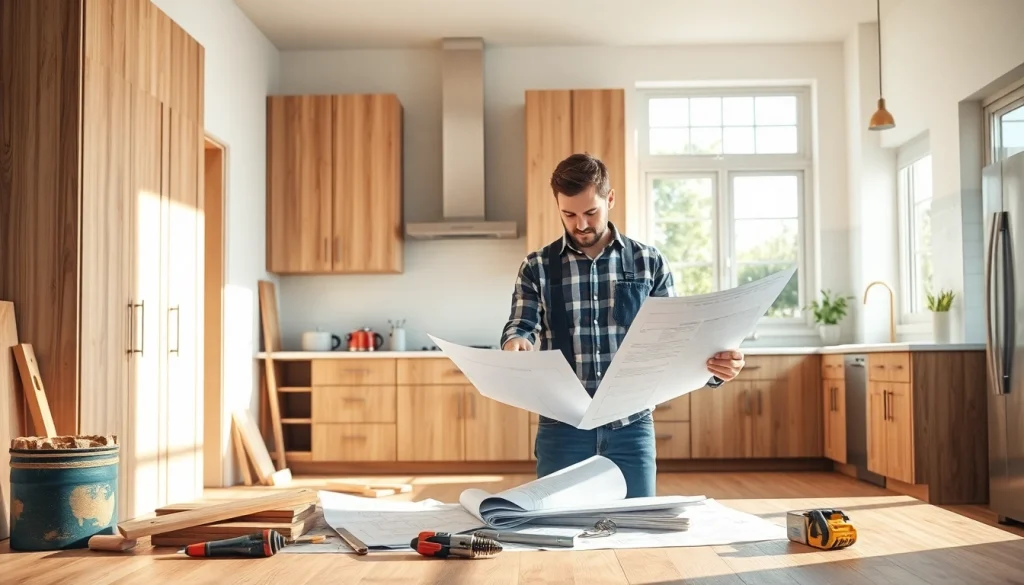
Understanding the Basics of Renovation
What is Renovation?
Renovation is the process of improving a structure, be it residential or commercial, through upgrading, redesigning, or remodeling its components. This practice is not merely about aesthetic enhancements; it’s about improving functionality, safety, and energy efficiency. A well-executed renovation can breathe new life into a space, adding comfort and increasing the overall value of the property. For anyone considering a renovation, it’s essential to understand both the potential benefits and the planning involved.
Common Types of Renovation Projects
Renovation projects can vary widely based on the desired outcomes. Here are some common types:
- Interior Renovation: This includes kitchen and bathroom remodels, flooring replacements, and the reconfiguration of living spaces to improve their flow and usability.
- Exterior Renovation: Projects in this category cover things like siding replacement, roof upgrades, window installations, and patio or deck repairs.
- Structural Renovation: Involves altering the property’s framework, such as adding or removing walls, which may require engineering assessments.
- Historic Restoration: This focuses on preserving or restoring a building’s historical aspects while improving its functionality in modern times.
Key Benefits of Renovation
Engaging in a renovation provides various advantages:
- Increased Property Value: Renovations often significantly boost market value, making properties more attractive to potential buyers.
- Enhanced Comfort: Upgrades improve living conditions, making spaces more enjoyable and accommodating for residents.
- Energy Efficiency: Many renovation projects incorporate energy-efficient products, leading to lower utility bills.
- Personalization: Renovations allow homeowners to create spaces that reflect their unique taste and lifestyle.
Planning Your Renovation
Setting a Budget for Your Renovation
Establishing a realistic budget is crucial. Begin by determining how much you can afford to spend. Consider costs associated with materials, labor, permits, and unexpected expenses. Typically, a contingency fund of 10-20% of your total budget is advisable. Prioritize your spending based on essential features and desirable amenities to make smart financial decisions.
Choosing the Right Design Style
Your design style should reflect your personality and harmonize with the architecture of your home. Popular styles include:
- Modern: Characterized by clean lines, minimalism, and a neutral color palette.
- Traditional: Focuses on classic architecture, incorporating rich woods and ornate detailing.
- Transitional: A blend of modern and traditional elements, suitable for creating a more personalized design.
Research different styles and consider creating mood boards to visualize your concepts.
Creating a Renovation Timeline
A well-structured timeline is key to staying on track during your renovation. Begin by outlining all necessary tasks, from design finalization to project completion. Allocate adequate time for each phase, factoring in potential delays due to inspections or material availability. Regularly review the timeline and adjust as needed to ensure the project progresses smoothly.
Executing Your Renovation Project
Hiring Contractors vs. DIY
The choice between hiring professionals and embarking on a DIY project depends on your skills and the project complexity. Hiring contractors can ensure a higher quality finish and adherence to local codes but can be more expensive. However, DIY may save costs and provide a personal touch if you have the expertise. Evaluate your capabilities honestly to make the best choice for your renovation.
Essential Tools for Successful Renovation
Having the right tools is vital for successful execution. Here’s a list of essential tools you may need:
- Pry Bars: Useful for tearing out old fixtures.
- Power Drill: Essential for various drilling tasks.
- Level: Ensures accurate alignments.
- Measuring Tape: Helps with accurate measurements.
- Saws (handsaw, circular saw, etc.): Suitable for cutting materials.
Permits and Regulations to Consider
Before starting any renovation project, familiarize yourself with your local building codes and regulations. Certain projects may require permits to ensure safety and compliance. Failing to acquire necessary permits can result in fines and delays. Consult local authorities or a qualified contractor to understand requirements specific to your renovation.
Innovative Ideas for Home Renovation
Space-saving Solutions for Small Areas
In small homes, maximizing space is crucial. Here are a few innovative ideas:
- Multi-Function Furniture: Invest in furniture that serves multiple purposes, like a bed with storage or a fold-out desk.
- Vertical Storage: Use wall-mounted shelves to free up floor space.
- Open Shelving: Replacing cabinets with open shelves can create a more spacious feel.
Sustainable Practices in Renovation
Incorporating sustainable practices not only benefits the environment but can also reduce long-term costs. Consider options such as:
- Repurposing Materials: Use salvaged wood, fixtures, and other materials to reduce waste.
- Energy-Efficient Appliances: Invest in appliances with good energy ratings to lower consumption.
- Green Insulation: Select sustainable insulation materials, such as cellulose or sheep’s wool, to improve energy efficiency.
Modern Trends in Home Renovation
Keeping in touch with modern trends can inspire unique renovation ideas. Some trends to consider include:
- Smart Home Technology: Integrating smart home devices for enhanced convenience and security.
- Minimalist Designs: Focus on simplicity and functionality with clean, uncluttered spaces.
- Natural Materials: Using wood, stone, and other natural materials for an organic feel.
Measuring the Success of Your Renovation
Post-renovation Evaluation
Once the renovation is complete, evaluate the project based on initial goals. Did it enhance comfort and functionality? Were any new issues encountered? Document these aspects, as they’ll help guide future renovations. Gathering feedback from family members on their experiences can also provide insights into how effective changes were.
Increasing Property Value through Renovation
Renovation can significantly impact your property’s market value. Focus on areas that prospective buyers prioritize, such as kitchens and bathrooms. Upgrades that enhance energy efficiency are also attractive. When selling, present your renovation decisions – backed by before-and-after photos – to impress potential buyers and showcase the improvements made.
Customer Satisfaction Metrics
For contractor-led renovations, customer satisfaction is paramount. Consider conducting surveys post-project to gain feedback. Key metrics to evaluate include communication quality, adherence to timeline, and overall satisfaction with the results. Aim for high scores in all areas, as positive reviews enhance future business opportunities.
Frequently Asked Questions
1. How do I determine my renovation budget?
Start by assessing your financial capacity and research costs for materials and labor, adding a contingency fund of 10-20% for unexpected expenses.
2. Should I hire a contractor or DIY my renovation?
Consider your skill level and project complexity. DIY might save money, but hiring professionals ensures quality and compliance with regulations.
3. What are some eco-friendly renovation options?
Consider using reclaimed materials, energy-efficient appliances, and sustainable insulation to create an environmentally friendly renovation.
4. How can I create more space in my home?
Use multi-functional furniture, vertical storage solutions, and open shelving to maximize space efficiency within smaller areas.
5. What post-renovation steps should I take?
Evaluate the effectiveness of changes, gather feedback from family, and document successes or areas for future improvement after your renovation.