
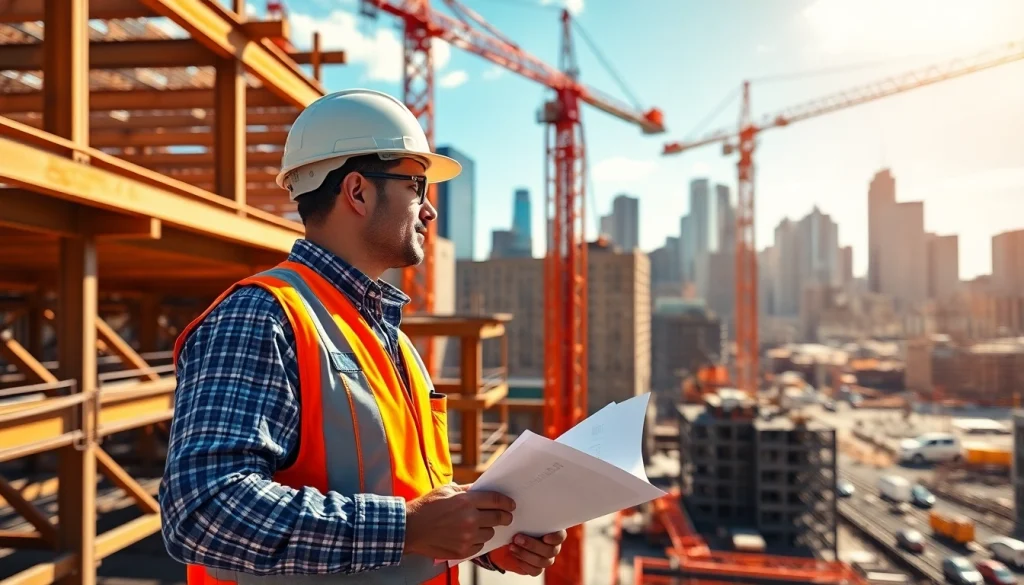
Understanding the Role of a Manhattan Construction Manager
The role of a Manhattan Construction Manager encompasses a range of responsibilities that are critical to the success of construction projects in a bustling urban environment. They act as the main point of contact and oversee projects from conception to completion. This role requires a blend of technical knowledge, leadership skills, and a deep understanding of construction processes.
Key Responsibilities of a Manhattan Construction Manager
A Manhattan Construction Manager is tasked with numerous responsibilities that include:
- Project Planning: Developing comprehensive project plans that outline timelines, budgets, and resource allocation.
- Budget Management: Overseeing project finances, ensuring that costs remain within the allocated budget while maintaining quality standards.
- Team Leadership: Leading a multidisciplinary team of contractors, architects, and engineers, ensuring effective collaboration throughout the project lifecycle.
- Stakeholder Communication: Acting as the liaison between clients, contractors, and other stakeholders, providing regular updates on project status and addressing any concerns.
- Quality Assurance: Implementing quality control measures to ensure that all aspects of the construction adhere to industry standards and regulations.
Essential Skills for Successful Manhattan Construction Managers
To excel in this role, Manhattan Construction Managers must possess a unique set of skills, including:
- Leadership: The ability to inspire and manage diverse teams to work towards a common goal.
- Communication: Strong verbal and written communication skills to convey project goals and updates effectively.
- Problem-Solving: Critical thinking and adaptability to address unexpected challenges that arise during construction.
- Technical Proficiency: A solid understanding of construction methods, materials, and technologies.
- Time Management: Effective scheduling and prioritization skills to ensure that projects remain on track.
The Impact of a Manhattan Construction Manager on Project Outcomes
The presence of a competent Manhattan Construction Manager can significantly influence the success of a project. Their experience and decision-making abilities direct the project towards its objectives, minimizing delays and cost overruns. The role ensures that quality standards are met, which ultimately leads to higher client satisfaction and better project sustainability.
Challenges Faced by Manhattan Construction Managers
While the role is rewarding, it comes with its own set of challenges that every Manhattan Construction Manager must navigate.
Common Obstacles in Urban Construction Projects
Construction in urban areas presents several obstacles, including:
- Space Constraints: Limited space can impact logistics, making it difficult to store materials and conduct operations.
- Regulatory Hurdles: Navigating complex zoning laws and building codes may require considerable effort and time.
- Environmental Concerns: Managing construction impacts on the surrounding ecosystem and adhering to environmental regulations is critical.
Managing Stakeholder Expectations in Manhattan
Engaging with a range of stakeholders—from clients to local authorities—can often complicate the management process. Each group has its own priorities and expectations, requiring the construction manager to balance these interests delicately to avoid conflicts and ensure project alignment.
Addressing Regulatory Compliance Issues
Construction managers must stay informed about applicable codes and regulations. It is their responsibility to ensure that their projects comply with local and federal regulations, and any oversight could result in fines or project shutdowns.
Best Practices for Effective Manhattan Construction Management
To overcome challenges and enhance project outcomes, several best practices should be implemented by Manhattan Construction Managers:
Implementing Effective Communication Strategies
Clear and open communication channels are critical. Regular meetings with team members and stakeholders can ensure everyone is on the same page regarding project progress, changes, and expectations. Additionally, utilizing project management software can help streamline communication.
Utilizing Technology in Construction Management
Integrating technology can significantly improve efficiency. Tools like Building Information Modeling (BIM) and project management software facilitate better visualization, planning, and coordination among teams.
Strategies for Successful Project Planning and Execution
Effective project planning involves setting realistic timelines, budget forecasts, and resource allocations. Construction managers should carry out thorough risk assessments and have contingency plans in place to manage unforeseen challenges.
Career Pathways for Aspiring Manhattan Construction Managers
Pursuing a career as a Manhattan Construction Manager requires a combination of education, experience, and networking.
Educational Requirements and Certifications
Typically, candidates are required to have a bachelor’s degree in construction management, civil engineering, or a related field. Additional certifications, such as the Project Management Professional (PMP) or certifications from recognized construction associations, can enhance credibility and career prospects.
Gaining Experience Through Internships and Entry-Level Roles
Hands-on experience is invaluable. Aspiring construction managers should seek internships or entry-level positions within construction firms to gain insight into daily operations and begin building their professional network.
Networking and Professional Development Opportunities
Joining professional organizations, attending industry conferences, and participating in workshops can help build essential connections in the industry while providing opportunities for continuous learning.
Future Trends in Manhattan Construction Management
The construction management landscape is continuously evolving, and future trends will shape the role of Manhattan Construction Managers.
The Role of Sustainability in Urban Construction
With increasing emphasis on sustainability, understanding green building practices is essential. Construction managers will need to focus on energy-efficient materials and practices that reduce environmental impact.
Adapting to Emerging Technologies in the Industry
The rise of technologies, such as drone surveillance, AI, and augmented reality, is changing how construction projects are managed. Managers must be willing to adopt and incorporate these advancements to enhance project visibility and accuracy.
Forecasting the Future Demand for Manhattan Construction Managers
As urban development continues to grow, the demand for skilled Manhattan Construction Managers is expected to rise. Staying abreast of trends and market needs will be fundamental for those wishing to advance in their careers.