
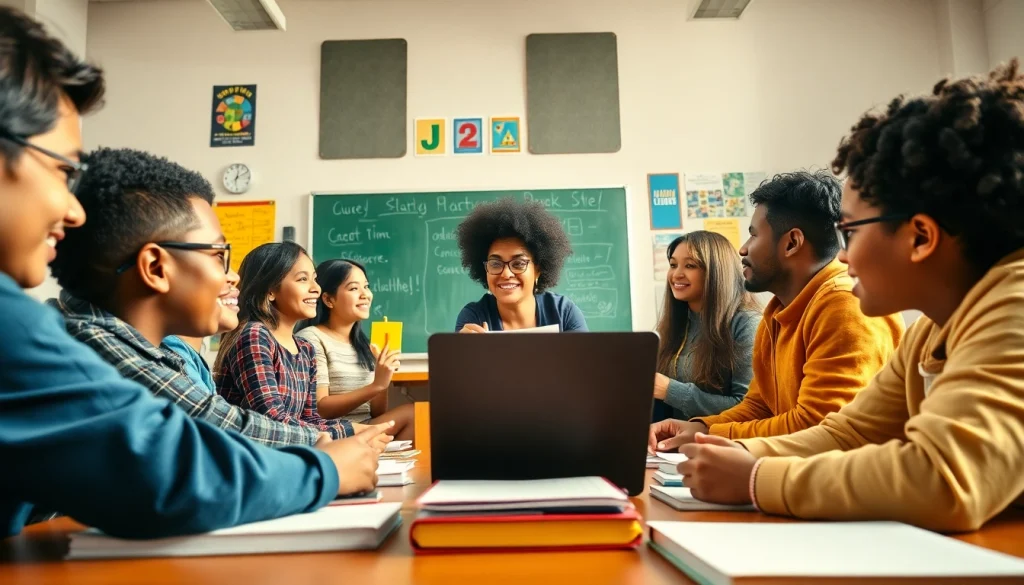
The Importance of Education in Today’s World
Education is a fundamental pillar of society, shaping individuals’ abilities, behaviors, and opportunities. In today’s rapidly evolving landscape, understanding the multifaceted role of education is more important than ever. The quest for knowledge equips individuals with crucial skills necessary to navigate an increasingly complex world. From fostering critical thinking to developing socio-emotional skills, education serves as the foundation for personal and professional growth. As you explore the significance of education, consider how it transcends traditional boundaries, influencing not just personal advancement but also societal progress. For comprehensive insights about educational resources, visit Education which provides various avenues to discover more about impactful learning strategies.
Understanding the Role of Education
Education serves several critical roles in society. It is not merely about rote memorization or attending classes; it encapsulates the entire experience of acquiring knowledge and skills that shape one’s outlook and capabilities.
At its core, education facilitates the transmission of culture and knowledge across generations. This process ensures that vital social norms, values, and historical insights are preserved, equipping future generations to thrive in an ever-changing landscape. Education also sharpens analytical skills and fosters creativity, enabling individuals to solve problems effectively.
Moreover, education plays a pivotal role in economic development. A well-educated workforce is a key driver of innovation and productivity, leading to enhanced national competitiveness. As nations strive for economic growth, investing in education emerges as a strategic priority. Countries recognizing the transformative power of education can elevate their position on the global stage and improve their citizens’ quality of life.
Key Benefits of Quality Education
Quality education offers an array of benefits that extend beyond academic achievement. Notably, it enhances both individual and societal well-being. Here are some of the most significant advantages:
- Empowerment: Education empowers individuals by providing knowledge and skills that open doors to various career opportunities. It fosters self-confidence, enabling individuals to advocate for themselves and their communities.
- Social Cohesion: Quality education promotes inclusivity and social cohesion by bringing diverse groups together. Educated individuals are more likely to engage in civic activities, fostering democratic values and community participation.
- Health Benefits: There is a robust correlation between education levels and health outcomes. Educated individuals tend to make informed health choices, which lead to longer life expectancy and lower healthcare costs.
- Reduction of Inequality: Education serves as a powerful equalizer, reducing social and economic disparities. Access to quality education can uplift underprivileged individuals and communities, providing them with the tools they need to succeed.
- Cultural Understanding: Education fosters multicultural awareness and understanding, essential in today’s globalized society. It prepares individuals to engage with and appreciate diverse perspectives and cultures.
Global Education Trends Shaping Society
Several global trends are reshaping the educational landscape, reflecting societal shifts and technological advancements. These trends include:
- Personalized Learning: Tailoring education to meet individual students’ needs is becoming increasingly popular. Personalized learning recognizes that each student has unique strengths and challenges, leading to more effective and engaging learning experiences.
- Blended Learning: The fusion of traditional classroom methodologies with online learning technologies is redefining how education is delivered. Blended learning allows for greater flexibility and accessibility, accommodating diverse learning preferences.
- STEM Education: The increasing emphasis on Science, Technology, Engineering, and Mathematics (STEM) education reflects the demand for skills in high-growth industries. Cultivating interest and proficiency in these areas prepares students for future career opportunities.
- Global Citizenship Education: As the world becomes more interconnected, there is a growing focus on instilling a sense of global citizenship in students. This approach encourages young people to understand global issues and embrace sustainability, equity, and peace.
- Integration of Technology: The incorporation of technology in education – such as artificial intelligence, virtual reality, and online resources – enhances learning experiences and prepares students for a technology-driven future.
Building a Strong Educational Foundation
Building a strong educational foundation starts from early childhood and extends throughout one’s life. Investments made at this stage yield significant returns, influencing future learning trajectories and life choices.
Early Childhood Education Insights
Early childhood education (ECE) is critical for cognitive, social, and emotional development. Research shows that positive experiences during early years foster resilience, creativity, and adaptability, equipping children with essential life skills.
High-quality ECE programs emphasize play-based learning, where children engage in hands-on activities that promote curiosity and problem-solving. These programs also often focus on building foundational literacy and numeracy skills, preparing children for later academic success. Additionally, fostering social interactions through collaborative play nurtures essential interpersonal skills.
Moreover, engaging parents in the educational process is pivotal. Programs that encourage parental involvement have been shown to enhance educational outcomes, as parents become active partners in their children’s development.
Importance of Lifelong Learning
The concept of lifelong learning emphasizes that education should not cease after formal schooling. It is a continuous process where individuals seek knowledge and skills throughout their lives, adapting to personal and professional changes.
Lifelong learning can take many forms, including formal education, online courses, workshops, and self-directed study. In the rapidly changing job market, the ability to learn and adapt is paramount. Individuals who commit to lifelong learning remain competitive and capable of navigating shifts in their industries.
Creating a culture of lifelong learning promotes growth mindsets, where individuals view challenges as opportunities rather than obstacles. This mindset encourages them to embrace curiosity and seek personal development, essential qualities in an ever-evolving world.
Setting Educational Goals
Setting educational goals serves as a compass for navigating the educational journey. Clear objectives guide learners through various stages, helping them stay motivated and focused.
Effective goal-setting involves several key elements:
- SMART Goals: Goals should be Specific, Measurable, Achievable, Relevant, and Time-bound. This framework helps individuals clarify their goals and track progress effectively.
- Short-term and Long-term Goals: Establishing a mix of short-term and long-term goals ensures immediate achievements while keeping sight of overarching aspirations.
- Reflective Practice: Regularly reflecting on academic experiences allows individuals to assess what works well, identify areas for improvement, and adjust their goals accordingly.
Effective Teaching Strategies
Effective teaching strategies foster a positive learning environment, engaging students and promoting deeper understanding. Educators must be equipped with innovative techniques to meet diverse student needs.
Engaging Students Through Active Learning
Active learning involves engaging students directly in the learning process, shifting the focus from traditional lectures to interactive activities. Techniques such as discussions, group work, problem-solving, and hands-on experiments are key components of active learning environments.
By promoting active participation, educators create opportunities for students to apply knowledge, collaborate, and inspire critical thinking. For instance, project-based learning immerses students in real-world challenges, encouraging them to investigate, collaborate, and develop solutions, fostering deeper learning and retention.
Moreover, incorporating technology into active learning strategies can enhance engagement. Tools like simulations and online collaborative platforms allow students to explore concepts dynamically and interactively.
Diverse Teaching Methods for Varied Learning Styles
Students possess diverse learning styles, necessitating varied teaching methods to accommodate different preferences. Recognizing and addressing these differences enhances the overall educational experience.
Some students may thrive in auditory learning environments, while others may excel in visual or kinesthetic modalities. Employing a mix of these strategies—such as visual aids, group discussions, and hands-on activities—ensures that all students can access content effectively.
Furthermore, differentiated instruction is a powerful approach to meeting diverse needs. Educators can tailor assignments and assessments to suit individual learning styles and abilities, fostering an equitable environment where all students can achieve their potential.
Creating an Inclusive Learning Environment
An inclusive learning environment is vital for enabling all students to participate fully in the educational process. Inclusivity acknowledges and respects diversity, ensuring that every learner feels valued and supported.
Strategies to promote inclusivity include:
- Understanding Individual Needs: Teachers must strive to understand the unique challenges and strengths of each student, facilitating tailored support and accommodations as necessary.
- Encouraging Collaboration: Group work and collaborative projects promote peer interaction, enabling students to learn from one another and appreciate diverse perspectives.
- Fostering a Positive Classroom Culture: A classroom environment characterized by respect, empathy, and support nurtures a sense of belonging, leading to improved academic outcomes.
Technology in Education
The integration of technology in education presents both opportunities and challenges. Innovative tools have transformed traditional teaching methods, offering new avenues for engagement and learning.
Integrating Innovative Tools to Enhance Learning
Innovative educational technologies, such as learning management systems, mobile apps, and interactive whiteboards, enhance the learning experience by providing access to resources, data, and personalized learning opportunities.
For instance, tools like virtual labs allow students to conduct experiments in a simulated environment, bridging gaps where resources may be limited. Additionally, educational apps can facilitate personalized learning paths, enabling students to progress at their own pace while receiving immediate feedback.
These tools also encourage self-directed learning. Students can explore subjects independently, fostering a sense of ownership over their education and encouraging motivation.
Online Learning Platforms Revolutionizing Education
Online learning platforms have revolutionized how education is delivered, breaking down geographical and logistical barriers. E-learning offers flexible, accessible options for students worldwide, allowing for tailored educational experiences.
Popular e-learning platforms offer massive open online courses (MOOCs), allowing learners to acquire new skills or expand their knowledge across diverse fields. These courses may include video lectures, discussion forums, and assessments, fostering interaction and engagement among learners.
Furthermore, online platforms often provide a repository of resources, encouraging learners to explore topics in-depth. This increases motivation and engagement, as students can access information that aligns with their interests and career aspirations.
Challenges and Solutions in EdTech
Despite its advantages, the integration of technology in education presents challenges. Issues such as digital divide, quality control, and data privacy must be addressed to maximize the effectiveness of EdTech.
The digital divide refers to disparities in access to technology, particularly in rural or underprivileged areas. Providing equitable access to devices and high-speed internet is crucial for ensuring all students can benefit from technological advancements.
Additionally, educators must be trained in best practices for using technology effectively in the classroom. Professional development programs can provide teachers with the necessary skills to integrate technology into their teaching methods, enhancing instructional quality.
Lastly, maintaining data privacy and security is critical as educational technology gathers and stores sensitive student information. Establishing clear guidelines and secure systems helps safeguard student data and builds trust within the educational community.
Evaluating Educational Success
Assessing educational success is essential for continuous improvement. Measurement and evaluation practices provide insight into students’ achievements and the effectiveness of educational strategies.
Measuring Learning Outcomes
Learning outcomes refer to the knowledge, skills, and attitudes that students are expected to demonstrate as a result of their educational experiences. Assessment methods should be diverse, encompassing both formative and summative evaluations.
Formative assessments, such as quizzes, projects, and peer reviews, provide ongoing feedback, allowing educators to adjust their teaching strategies as needed. Summative assessments, including standardized tests, evaluate overall student understanding and performance at the end of instructional periods.
Utilizing multiple assessment methods offers a more holistic view of student progress, enabling educators to make data-driven decisions that foster personalized learning.
Feedback Mechanisms for Continuous Improvement
Feedback mechanisms are vital for ensuring educational practices remain relevant and effective. Collecting feedback from students, parents, and educators can yield valuable insights into the learning process.
Implementing regular surveys and reflection sessions enables stakeholders to voice their opinions on curriculum effectiveness, teaching methodologies, and overall student experiences. This participatory approach fosters community involvement and strengthens educational outcomes.
Moreover, continuous professional development for educators, driven by feedback, enhances teaching quality and student learning. Encouraging self-reflection among teachers promotes growth-oriented mindsets, fostering a culture of ongoing improvement.
The Future of Education Metrics
The landscape of educational assessment is continuously evolving. Future metrics for evaluating educational outcomes may incorporate technology and adaptive learning principles, allowing for more precise and personalized evaluations.
Advanced data analytics can facilitate real-time tracking of student progress, enabling targeted intervention and support for struggling learners. As education increasingly embraces competency-based models, skill mastery will take precedence over traditional grade-based assessments.
Ultimately, the future of educational metrics will strive to provide a comprehensive, nuanced understanding of student learning, guiding educators toward the most effective teaching practices and contributing to overall educational success.