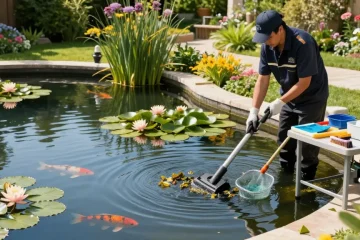
Understanding the Importance of Professional Pond Cleaning London
Maintaining a clean and healthy pond is essential for the overall well-being of its aquatic ecosystem, as well as the aesthetic value it provides to property owners. A professionally cleaned pond not only enhances its beauty but also contributes significantly to the local environment. In London, where urban living leads to various challenges for water bodies, understanding the importance of Professional Pond Cleaning London becomes imperative. This article delves into the significance of pond cleaning, common maintenance mistakes, best practices for effective cleaning, and future trends in pond care services.
What Is Pond Cleaning and Why It Matters?
Pond cleaning refers to the process of removing debris, sludge, and accumulated organic matter from the pond’s surface and bottom. This essential maintenance task helps to prevent the buildup of harmful toxins that can adversely affect fish, plants, and other aquatic life. Regular pond cleaning improves water clarity and quality, ensuring a hospitable environment for flora and fauna. Furthermore, it reduces the likelihood of algae blooms and mosquito breeding, promoting a healthier pond ecosystem.
Environmental Benefits of Clean Ponds
Clean ponds play a crucial role in supporting biodiversity. They provide a habitat for various species, including fish, amphibians, and waterfowl. By maintaining clean water, you promote the health of aquatic environments, contributing to ecological balance and the carbon cycle. Moreover, clean ponds can enhance local property values and community aesthetics, making them more inviting for recreational activities and wildlife observing.
Common Misconceptions About Pond Maintenance
Many pond owners hold misconceptions that can hinder proper maintenance. One prevalent myth is that pond cleaning is a one-time task. In reality, ponds require regular care to remain healthy. Additionally, some believe that using chemical treatments alone can substitute for physical cleaning, which is not true. Such chemicals may address symptoms but do not remove underlying issues, leading to long-term problems.
Identifying Common Pond Cleaning Mistakes
Overlooking Regular Maintenance Schedule
Avoiding a consistent cleaning schedule is one of the most common mistakes pond owners make. Without regular maintenance, ponds accumulate debris and organic matter, leading to poor water quality and an unhealthy ecosystem. It is crucial to establish and adhere to a cleaning routine to prevent these issues.
Using Wrong Cleaning Techniques
Not all cleaning methods are suitable for every pond. Using harsh chemicals, for example, can be detrimental to aquatic life. Pond owners should educate themselves on the best practices and tools for their specific pond type to ensure effective cleaning without causing harm.
Ignoring Water Quality Testing
Another mistake is neglecting water quality testing. Regular testing helps identify issues such as pH imbalances, excessive nutrients, or pollutants that may be affecting pond health. Ignoring these factors can lead to an unhealthy pond, often resulting in costly remediation efforts.
Best Practices for Effective Pond Cleaning
Creating a Comprehensive Cleaning Plan
A well-structured cleaning plan is essential for effective pond maintenance. This plan should include cleaning schedules, specific tasks, and contingency measures for unexpected issues. Tailoring your plan to the pond’s unique requirements will ensure its health and vitality.
Tools and Techniques for Effective Cleaning
Investing in the right tools is key to successful pond cleaning. Essential tools include pond vacuums, skimmers, nets, and brushes. Each tool serves a different purpose, from removing debris to scrubbing surfaces. Familiarizing yourself with these tools and their appropriate uses will streamline the cleaning process.
Seasonal Maintenance Guide for Ponds
Seasonal changes impact pond maintenance significantly. During spring, thorough cleaning is crucial to prepare for active growth. Summer maintenance focuses on controlling algae and ensuring water quality. In fall, debris management becomes essential as leaves fall, while winter maintenance involves preventing ice cover to ensure aeration. Tailoring your cleaning approach for each season maximizes the pond’s health throughout the year.
Case Studies: Successful Professional Pond Cleaning London Examples
Residential Pond Transformations
Many homeowners in London have experienced dramatic transformations after professional pond cleaning. For example, a neglected garden pond in West London was revitalized after a deep clean and regular maintenance schedule was implemented. The clarity and health of the water improved significantly, leading to a vibrant ecosystem that supports diverse wildlife.
Commercial Pond Restoration Projects
Businesses are also reaping the benefits of professional pond cleaning. In a corporate park in East London, a once-polluted pond was restored, enhancing the property’s aesthetics and promoting biodiversity. The proactive measures taken not only beautified the area but also improved employee well-being and environmental health.
Community Ponds: From Neglect to Vibrancy
Community ponds have also seen rejuvenation through organized clean-up and maintenance efforts. In a local park in North London, volunteers partnered with professionals to clean and restore the pond, transforming it into a thriving ecosystem. Today, it serves as an educational site about aquatic life and habitat preservation.
Future Trends in Pond Cleaning Services by 2026
Emerging Technologies for Efficient Pond Maintenance
As we look ahead to 2026, technology will continue to revolutionize pond cleaning services. Innovations such as drones equipped with imaging technology will enable more efficient monitoring of pond conditions, allowing professionals to address issues proactively. Additionally, automated cleaning systems may become commonplace, making maintenance easier for owners.
Eco-Friendly Cleaning Solutions
With increasing environmental awareness, there will be a shift towards eco-friendly cleaning solutions. Biodegradable products and natural cleaning agents are gaining popularity as effective alternatives to harsh chemicals. This trend aligns with the growing demand for sustainable practices in all aspects of life, including pond maintenance.
Predicted Customer Preferences and Expectations
As customer awareness of environmental issues grows, expectations for pond cleaning services will evolve. Clients will increasingly seek services that prioritize sustainability and biodiversity. Additionally, personalized services tailored to individual pond needs will become a significant factor in customer satisfaction, leading to a more informed and proactive customer base.
What tools are essential for pond cleaning?
Essential tools for pond cleaning include pond vacuums, skimmers, nets, brushes, and aerators. These tools help maintain water clarity and quality, ensuring a healthy ecosystem.
How often should I clean my pond?
The frequency of pond cleaning depends on various factors such as pond size, fish population, and the presence of vegetation. Generally, ponds should undergo a thorough cleaning at least once a year, with regular maintenance checks every few months.
What are the signs of pond neglect?
Signs of pond neglect include excessive algae growth, murky water, foul odors, and an overabundance of debris. If these issues arise, immediate action is required to restore the pond’s health.
Can I clean a pond myself, or should I hire a professional?
While some pond cleaning tasks can be managed by homeowners, hiring a professional is advisable for more extensive cleaning and maintenance. Professionals have the expertise and tools to ensure effective cleaning while preventing damage to the pond’s ecosystem.
What should I do if my pond water is green?
Green pond water usually indicates an algae bloom, which can be harmful. Start by testing the water quality and reducing nutrient levels. Implementing regular maintenance and considering natural treatments can help restore clarity to the water.